7+
Years of Expertise
We have increased the conversion by 35% for Underrated Club
Hire Shopify Developers to Build, Optimize, and Scale Your Store
CartCoders have dedicated Shopify developers who build conversion-ready stores, fix performance issues, and ship sprint-based releases. You get role-matched talent, weekly progress reports, and developers who treat your store as a revenue product, not a ticket queue. Hire Shopify developers based on your specific projects within your budget.
7 Days Developer Replacement. Get a hiring plan in 24–48 hours.
7+
Years of Expertise
250+
Projects Empowered
30+
Countries Served
Client Review Ratings
Trusted by growth-focused commerce brands
Our delivery quality is reflected in consistent top ratings across trusted global platforms.


5.05 out of 5 stars
Average verified client rating


4.84.8 out of 5 stars
Average verified client rating


4.54.5 out of 5 stars
Average verified client rating


4.54.5 out of 5 stars
Average verified client rating
Trusted by growth-focused commerce brands
 Gofig
Gofig Clinikid
 Soap Cover World
 The Balcony Garden
 Peach Underwear
 Underrated Club
Hire Shopify developers from CartCoders when your store needs focused execution, faster delivery, and reliable technical support. Our developers help with theme updates, custom features, app improvements, integrations, and performance fixes that support better storefront results.
We assign Shopify developers based on your store goals, task complexity, and project roadmap.
Our Shopify developers work on the areas that directly affect shopping experience and store operations.
Hire Shopify developers for any stage of your store, from new builds to optimization and ongoing support. Every engagement focuses on store performance, buyer journey clarity, and stable releases.
Hire Shopify developers to build new storefronts with mobile-first UX, clean theme architecture, and conversion-aware product pages. Stores ship faster and stay easy to maintain.
Our developers customize themes without breaking your existing layout. You get section-based architecture, metafield support, and clean Liquid code for long-term flexibility.
Hire developers who build custom Shopify apps and integrate ERP, CRM, payment, shipping, and retention tools. We follow Shopify Functions and Checkout Extensibility standards.
Add Shopify Plus expertise to your team for B2B builds, multi-store setups, custom checkout UI, and migration projects. Developers ramp up in days, not weeks.
Migrate from Magento, WooCommerce, BigCommerce, or custom platforms to Shopify or Shopify Plus. Developers protect SEO equity, product data, customer records, and order history.
Hire developers who think like CRO specialists. They run hypothesis-led changes on PDPs, cart drawers, and checkout flows to lift add-to-cart and completion rates.
Keep release quality high with continuous developer support. Bug fixes, feature updates, theme changes, and roadmap execution stay on schedule.
Slow stores lose revenue. Our developers reduce LCP, clean up scripts, optimize media, and improve render behavior so your store loads fast on mobile and ranks better on Google.
Case Studies
Our Shopify projects highlight technical expertise, structured development workflows, and experience building high-performing online stores across multiple industries.
App, Platform & SEO
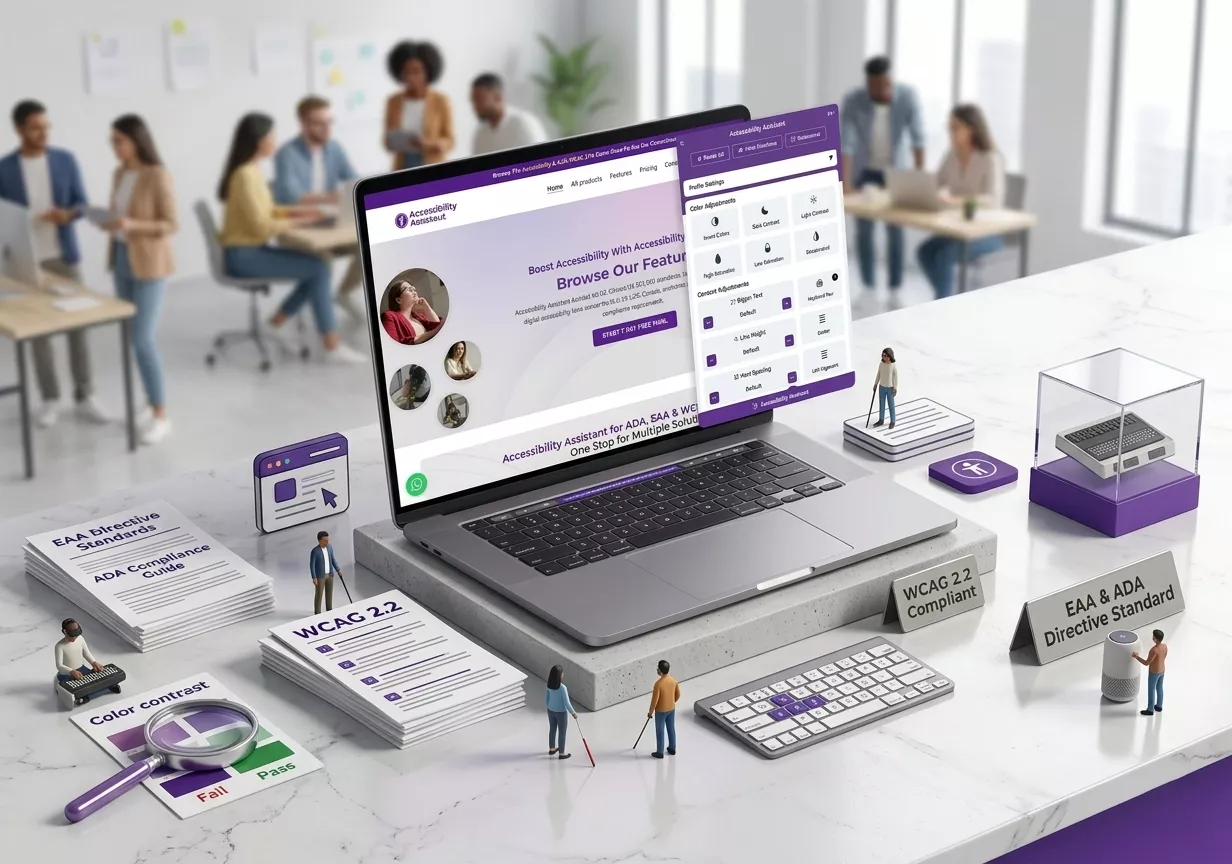
CartCoders developed a custom Shopify accessibility app that helps merchants improve store usability for shoppers with visual, mobility, and cognitive needs.
A Shopify app built with accessibility logic, clean functionality, and merchant-friendly controls.
+72%
Accessibility Readiness
+87%
User Interaction
+60%
Session Duration
01. Challenge
The project needed skilled Shopify developers who could build an accessibility app that worked smoothly across Shopify stores. The app required screen reader support, contrast settings, keyboard navigation, and simple controls for merchants.
02. Approach
CartCoders developers built the app with lightweight functionality, usability-focused settings, and Shopify-compatible implementation. The team handled accessibility logic, frontend behavior, admin usability, testing, and performance checks across different store experiences.
03. Outcome
The final app helped merchants make their stores easier to use for a wider customer base. Strong Shopify development helped create a practical app with cleaner interaction, better usability, and reliable store integration.
AI, Integration & Audit
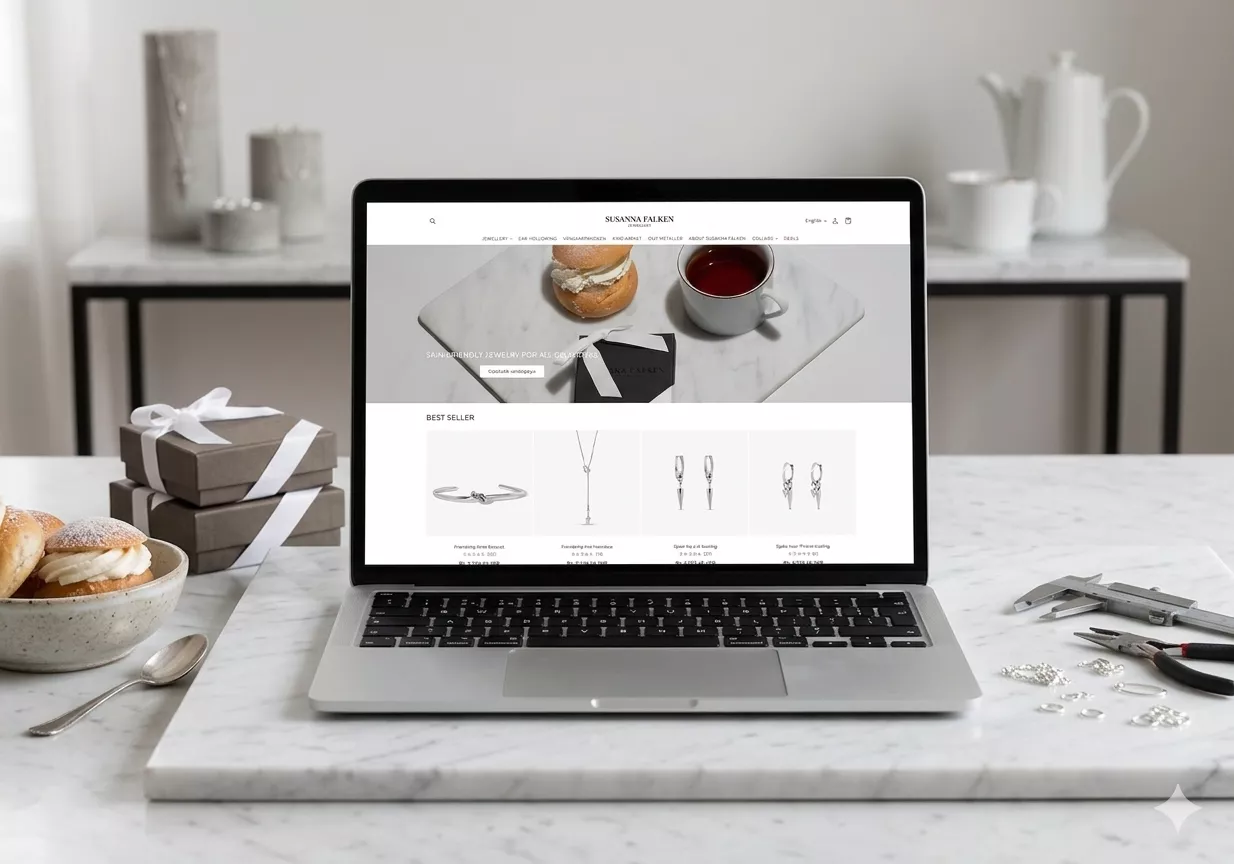
CartCoders developed custom Shopify features for Susanna Falken, including Instagram reels, product details on collection pages, product-wise collection grids, and technical SEO updates.
A Shopify store improved with custom theme development and stronger product presentation.
+52%
Product Interaction
+45%
Collection Engagement
+38%
Store Experience
01. Challenge
Susanna Falken had a Figma design and a Broadcast Shopify theme but needed custom development beyond the default theme's limits. They wanted product details on collection pages, Instagram reels on the homepage, product-wise collection grids, and SEO-focused updates.
02. Approach
CartCoders developers customized the Shopify theme to align with the design direction and enhance product browsing. The team added custom sections, collection-page product details, Instagram reel integration, product-wise grids, and technical SEO improvements.
03. Outcome
The store became easier to browse and more useful for jewelry shoppers. Customers could view product details faster, interact with visual content, and move through collections with fewer extra clicks.
Marketplace, AI & Mobile App
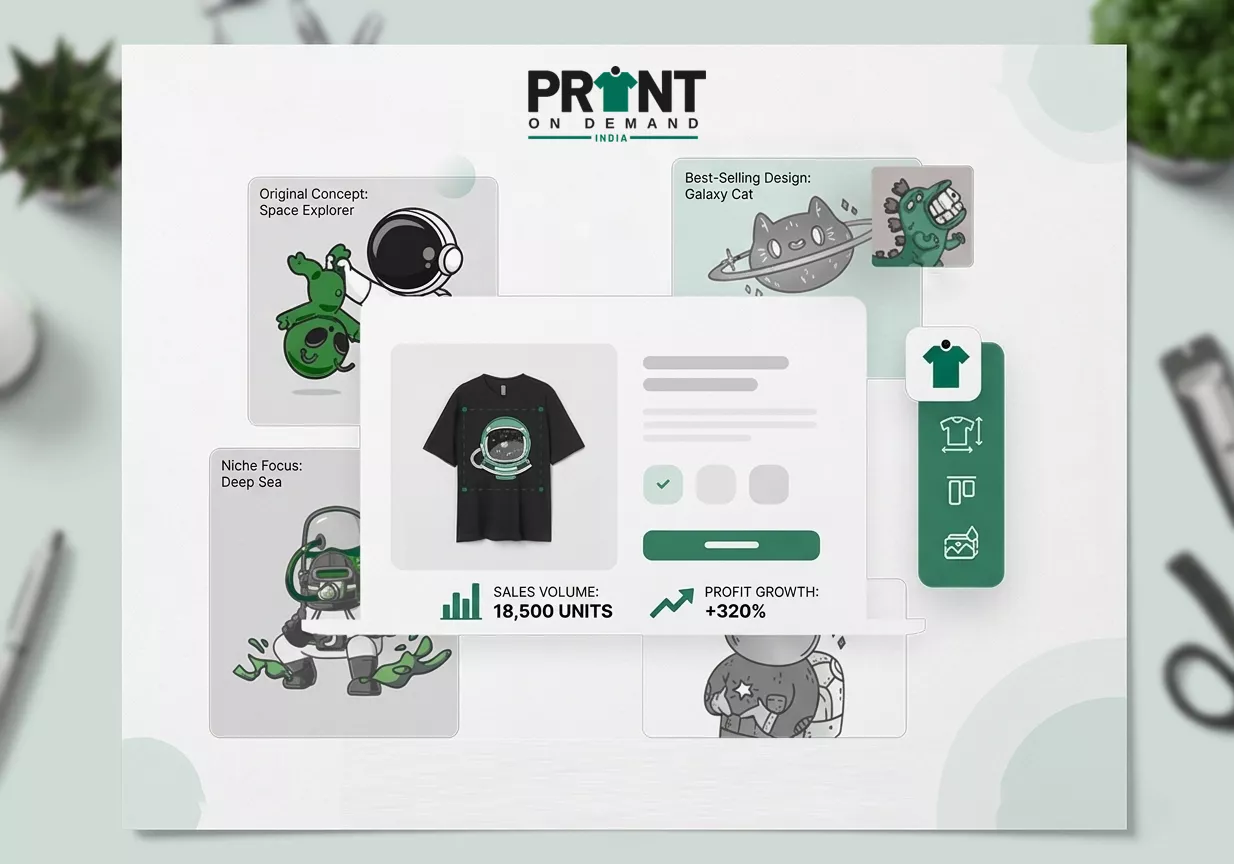
CartCoders built Pod as a Shopify-connected print-on-demand platform using React, Node, and Shopify for product customization, creator dashboards, order automation, and fulfillment workflows.
Shopify platform developed with frontend, backend, API, and automation expertise.
+61%
Product Creation Speed
+54%
Order Automation
+47%
Creator Workflow Control
01. Challenge
Pod needed a custom print-on-demand platform that could manage product creation, artwork uploads, dynamic variants, orders, and creator workflows. The project required Shopify developers with strong experience in frontend, backend, API, and automation.
02. Approach
CartCoders built a React-based product designer, Node-powered backend, Shopify Admin API integration, automated order flow, and creator dashboard. The team also handled dynamic variants, artwork validation, print file generation, order tracking, and responsive performance.
03. Outcome
Pod received a scalable Shopify-connected platform for creators and custom apparel sellers. Users could design products, manage orders, track earnings, and run print-on-demand operations from one connected system.

20+ Developers Available
5+ Years
Experience
Full-time
Availability
100+
Stores Developed
Build fast storefronts, custom sections, and pixel-perfect product pages without breaking existing layouts.
Expert in
Also skilled in

10+ Developers Available
5+ Years
Experience
Full-time
Availability
40+
Apps Delivered
Build private and public Shopify apps with secure data flows and clean admin UX.
Expert in
Also skilled in

15+ Developers Available
5+ Years
Experience
Full-time
Availability
50+
Projects Completed
Handle complex enterprise builds, B2B flows, multi-store setups, and migrations.
Expert in
Also skilled in
Why CartCoders
01
We assign Shopify developers based on your stack complexity, roadmap, and release goals, not whoever is free.
02
Every engagement runs on sprints with defined milestones, weekly reviews, and clear ownership.
03
Speed, stability, and QA standards apply before every release. No surprise regressions in production.
04
Daily updates, weekly sprint reports, and direct access to your developer. No black-box delivery.
What actually works when you hire Shopify developers — broken down across every factor that matters.
| Factor | In-House Hire | Freelancer | CartCoders Team |
|---|---|---|---|
| Onboarding time | 4–8 weeks | 1–2 weeks | 48 hours |
| Cost (monthly) | High (salary + benefits) | Variable, often low quality | Predictable, mid-range |
| Reliability | Strong | Inconsistent | Strong with SLA backing |
| Specialist coverage | Limited to one skillset | One person, narrow skills | Frontend, app, Plus, QA |
| Scaling up or down | Slow and costly | Difficult | Flexible by sprint |
| QA and code review | Depends on team size | Rare | Built into delivery |
| Post-launch support | Continuous | Often ends abruptly | Ongoing engagement |
| Best for | Long-term internal builds | Small one-off tasks | Growth-stage and enterprise |
Testimonials
Feedback from growth-focused teams that rely on CartCoders for Shopify development, store improvements, integrations, and ongoing technical support.

CartCoders joined our workflow quickly and helped us clear pending Shopify tasks without slowing our internal team. Their developers handled theme fixes, app issues, and release updates with clear ownership.
John G., Head of Engineering, DTC Apparel Brand

Their Shopify developers understood both technical requirements and business priorities. Every improvement felt practical, from product page updates to checkout-related fixes and performance changes.
Jassika B., Founder, Multi-Brand Retail Group

We hired CartCoders for ongoing Shopify support and continued the engagement because their delivery stayed consistent. They communicated clearly, solved issues quickly, and kept our store moving.
Charles A., Growth Director, Beauty Commerce Brand

CartCoders felt like an extension of our in-house team. Their sprint planning, daily updates, and Shopify expertise helped us manage deadlines without adding permanent headcount.
Peter J., Operations Head, Lifestyle Brand
Flexible Hiring Models
Hire Shopify developers from CartCoders with an engagement model that matches your workload, timeline, and budget. Whether you need one developer, extra Shopify capacity, or a full project team, we help you start quickly with clear ownership.
Onboarding
Role matching starts in 48 hours
Collaboration
Daily updates with weekly sprint reviews
Governance
NDA, SLA, and milestone visibility
A focused Shopify developer works with your team on ongoing theme updates, custom features, app tasks, and store improvements.
Ideal for: Brands with continuous Shopify development needs.
Add Shopify specialists to your internal team when capacity is limited or deadlines are close.
Ideal for: In-house teams that need quick Shopify support without full-time hiring.
Get a scoped Shopify team for redesigns, migrations, integrations, or custom development work.
Ideal for: Businesses with fixed goals, timelines, and project scope.
Recognition & Awards
CartCoders combines practical Shopify expertise with structured execution, transparent communication, and long-term client partnerships. Brands hire our Shopify developers for dependable project delivery, faster turnaround, and scalable storefront support backed by proven client outcomes.





Pricing Models
Starting at
$ *9 USDhour
Minimum 100 hours
Best for bug fixes, small features, and quick optimization tasks.
Most Popular
Starting at
$ *,999 USDmonth
160 hours
Best for ongoing Shopify development and long-term execution
Recommended
Starting at
Custom Pricing
Contact our team to discuss pricing
Best for redesigns, migrations, app builds, and major Shopify launches.
How Modern Expertise of Our Shopify Developers
Our Shopify developers use AI tools to ship faster without cutting corners on quality.
01 - Faster Code Cycles
Developers use Codium, Claude, and Copilot for code review, refactoring, and faster builds, with senior oversight on every release.
Process
01
Tell us your business goals, current blockers, timeline, and tech context.
01
What you get
Clear requirement baseline and success metrics
02
We propose the right Shopify roles, engagement model, and estimated delivery plan.
02
What you get
Team composition and sprint structure
03
Confirm priorities, milestones, communication cadence, and KPIs.
03
What you get
Approved sprint roadmap and timeline
04
Developers join your workflow within 48 hours and start sprint execution.
04
What you get
Progress updates and production-ready releases
05
Post-launch support, iteration, and ongoing optimization.
05
What you get
Long-term Shopify growth partnership
Industries We Serve
High-trust catalog UX, custom configurators, certification displays
Variant logic, size guides, lookbook merchandising
Subscription flows, ingredient transparency, repeat-purchase UX
Most engagements start within 48 hours after scope alignment and model selection. For specialized roles like Shopify Plus or app developers, timelines may extend to 3–5 business days.
Plan Your Next Shopify Growth Sprint with CartCoders
Share your project goals and get a direct consultation path with clear next steps.
No long forms. No pressure. Just focused technical guidance.
Secure Intake
Your project details stay private and protected.
No Spam
No unnecessary calls or random follow-ups.
Direct Communication
Only to-the-point updates from relevant experts.