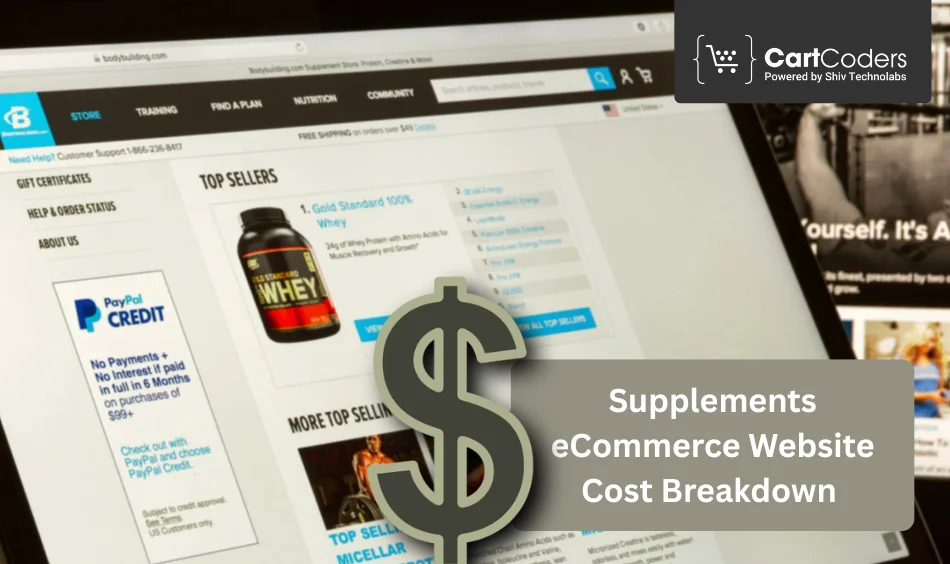
The supplements and vitamins industry is booming online right now, thanks to people caring more about their health and the convenience of buying products from home. The US dietary supplements market accounts for more than 75% of adult consumption. With more companies taking their business online, a lot of people running startups want to know the same thing: What’s the supplements ecommerce websiteand a vitamins eCommerce site in 2026?
Supplement shops need way more than just basic product pages and a secure payment method. Think subscription options, product bundles, FDA warning statements, and pages packed with information about what’s in each product. Throw in really tough competition, complex legal requirements, and customers who expect a lot, and it becomes clear why you’d want a site built by professionals.
Build A Trusted Supplements And Vitamins Store
Clear layout, clear product pages, and smooth checkout.
This guide walks you through exactly the supplement store website cost live and running, breaks down pricing for different platforms, shows how costs vary by country, lists the features you actually need, and explains when paying for a completely custom build makes sense.
What Affects Supplements eCommerce Website Cost in 2026?
Getting a supplements eCommerce site live isn’t just about setting up some product listings and a checkout page. Your spending gets determined by the compliance needs, how many products you’re selling, whether you offer a subscription, how people filter products, and how much custom work you need done.
Getting an idea on what drives your vitamins ecommerce website cost helps you figure out a real budget for your supplement shop. Here’s what really matters.
When you’re running a supplement business, your store usually has:
Different versions of the same thing
Various tastes and strengths
Bundles you get every month
Multi-packs that ship regularly
Mixed product offers
Products grouped by their components
The more complicated your product list, the pricier the build will be.
A shop selling just 20 things costs way less than a huge supplement place with over 1,000 items, tons of bundle choices, different pricing for different amounts, and subscription features.
3. Compliance Rules for Supplement Stores
Running a supplement site means you’ve got to stick to:
FDA statements and warnings
Being honest about what’s in your products
Links to proof that products are tested
Checking that someone is old enough to buy
Showing what ingredients people might be allergic to
Including remarks like “this doesn’t claim to fix anything.”
These rules affect how you design and build the store since you need to put this info on every product page, during checkout, and often in other spots too.
More rules to follow means more money to spend.
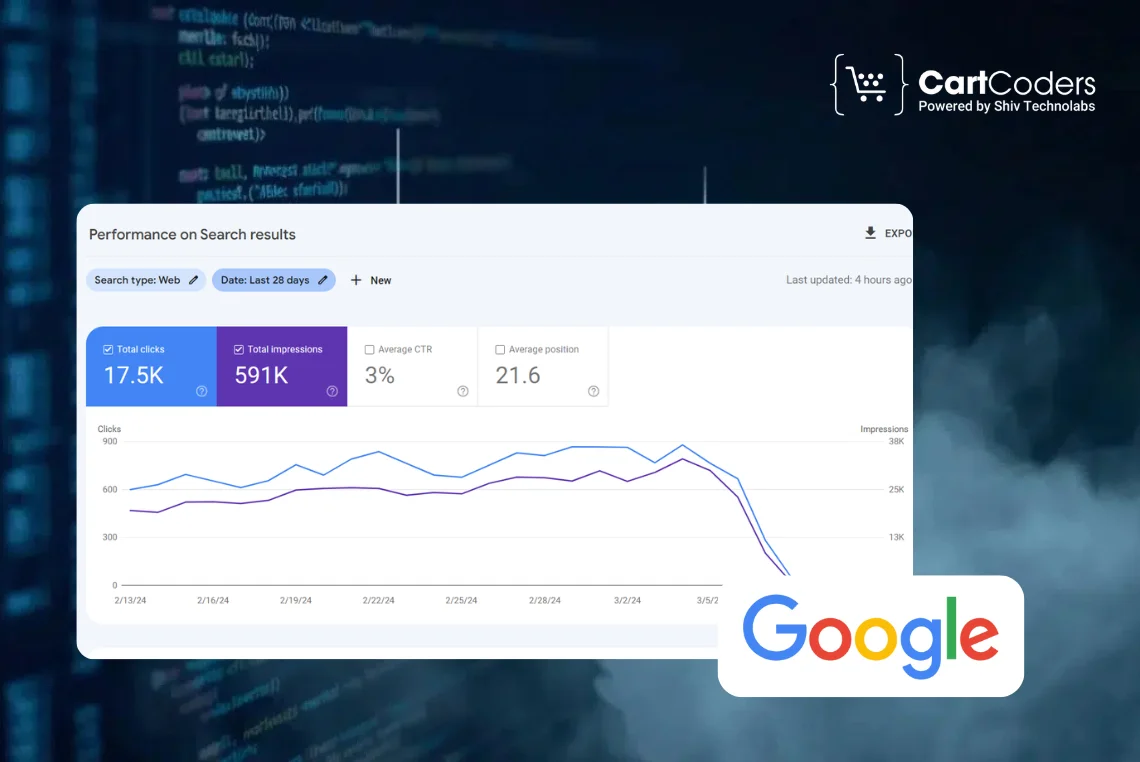
4. SEO, Content, and Marketing Needs
Supplement shops live and die by search rankings because everyone’s fighting for the same customers. Your budget depends on:
Getting people to write blog posts
Making pages about specific ingredients
Creating comparison shopping guides
Building special sale pages
Making sure search engines can read your site
Setting up structured data for Google
Building up your brand story
If your site needs tons of written material, that’s going to run up your costs both to make it happen and to manage it later.
5. Custom Features & Third-Party Apps
Features you might want to add include:
AI ingredient filters
Subscription billing
Auto-reorder
Bundle builders
Quiz-based product recommendation
Third-party fulfillment (ShipBob, ShipMonk)
Lab test API links
Every single thing you add is going to push up what you spend on your supplement site.
Supplements eCommerce Website Cost Breakdown
Here’s the lowdown on what things are going to cost you in 2026.
Cost Factor
Low Budget
Mid-Range
Advanced
Platform Setup
$0–$300
$300–$800
$800–$2,000
Design & Theme
$150–$400
$600–$1,500
$2,000–$6,000
Development
$800–$2,000
$2,000–$6,000
$6,000–$15,000
Apps & Extensions
$50–$200/month
$150–$400/month
$300–$800/month
SEO & Content
$300–$800
$800–$2,000
$2,000–$5,000
Total Build Cost
$2,000–$4,000
$4,000–$12,000
$12,000–$30,000+
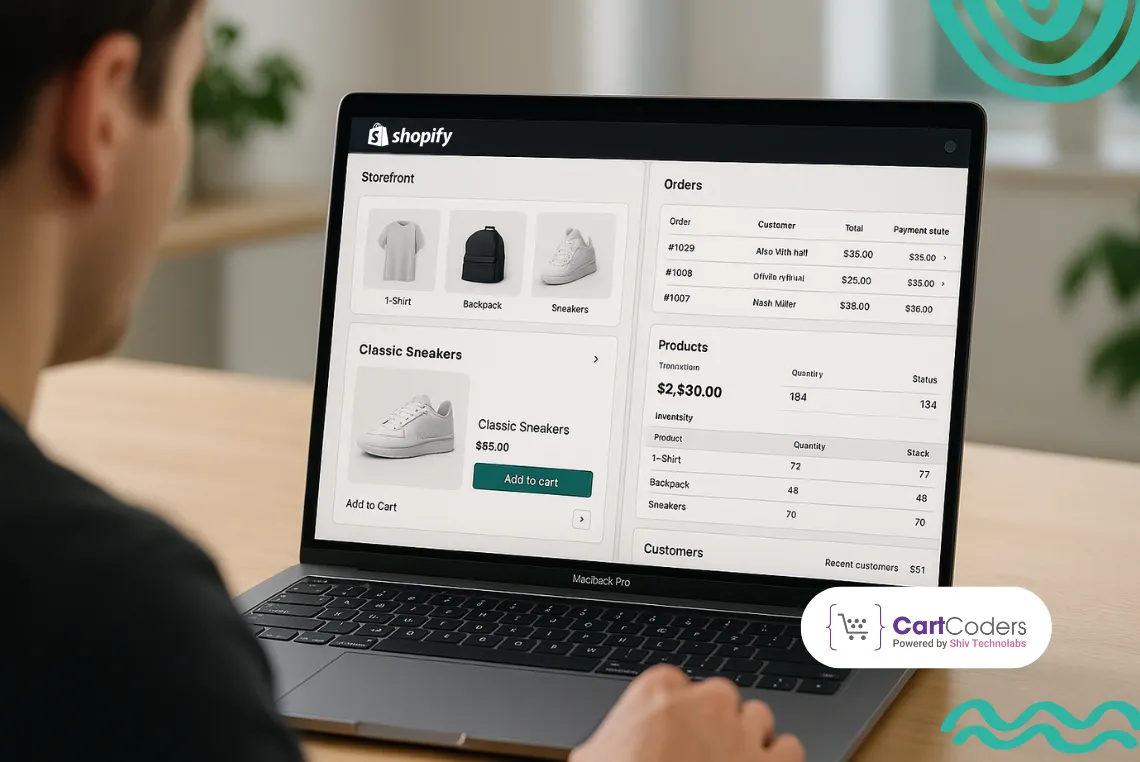
Shopify Supplements Store Cost in 2026
Shopify is the go-to pick for supplement companies because it grows with you, has solid tools for subscriptions, and makes checkout simple and clean. It’s perfect for shops that are just getting started or growing but don’t need enterprise-level features yet.
Shopify Setup Cost for Supplements Stores
Getting set up on Shopify for supplements shops means paying for:
A design template you like
Your own web address
The servers to run everything
Tools you need to pay for monthly
Making your store look special
Getting a developer to set it up just right
Shopify makes it dead simple to hook in tools like Recharge or Loop that let customers get supplies delivered every month, which is extremely helpful for selling supplements.
Shopify Supplements Store Cost
Task
Cost Range
Shopify theme
$180–$380
Custom Shopify design
$500–$2,500
Development
$1,000–$6,000
Subscription apps and add-ons
$60–$200/month
Total Shopify build
$3,000–$12,000
When Shopify Is Best for Supplements Brands
Shopify works great if:
You’re in a rush to get your store live
You need monthly billing for subscriptions
You want to handle your products without a lot of headache
You need your site to show up well on Google
You don’t want to fuss with tech support all the time
Most new supplement companies go with Shopify because it’s user-friendly, and it scales as your customer base increases.
Plan Vitamins And Supplements Store For Growth
CartCoders suggests structure that supports new product lines.
WooCommerce Supplements Store Website Cost
WooCommerce gives you way more control and lets you experiment with anything you want, but it also takes more work and hands-on tech help to manage.
WooCommerce Cost Table
Task
Cost Range
WordPress hosting
$15–$40/month
Premium theme
$60–$250
Plugin extensions
$200–$800/year
Development
$1,000–$7,000
Total build
$2,000–$10,000
When WooCommerce Is the Right Choice
Go with WooCommerce if:
You want to do whatever you want with your site
Your products come in tons of different versions
You need special rules for discounts
You like handling your own server space
You’ve got someone on your team who can deal with the tech side
WooCommerce is for companies that really want to call all the shots.
Magento Supplements Store Website Cost (2026)
Magento packs a lot of powerful features, but it’s going to cost you alot. It’s made for huge supplement companies with massive catalogues and complex operations.
Magento Cost
Task
Cost Range
Hosting
$60–$300/month
Theme
$200–$500
Magento extensions
$500–$2,000
Development
$8,000–$40,000
Total build
$10,000–$60,000+
Who Should Choose Magento?
Pick Magento if:
Your store gets hammered with visitors
You run more than one store
You need really advanced ways to track your inventory
Your company has unique shipping and fulfillment needs
Your store works with separate front and back systems
Only really big companies should think about going with Magento.
BigCommerce Supplements eCommerce Website Cost
BigCommerce was made for stores that sell a ton of stuff and need features to sell to other businesses too.
BigCommerce Cost
Task
Cost Range
Theme
$150–$300
Development
$1,500–$8,000
Add-ons
$30–$150/month
Total build
$3,000–$12,000
Wix Supplements Store Cost (2026)
Wix is the move if you’re just starting out and don’t have much to spend.
Wix Supplements Website Cost
Task
Cost Range
Premium plan
$20–$49/month
Templates
$0–$200
Customization
$500–$2,000
Total build
$1,000–$5,000
Supplements eCommerce Website Cost by Country
How much your site costs depends on where you are in the world.
Supplements eCommerce Website Cost in USA
$4,000–$40,000
Supplements eCommerce Website Cost in UK
£3,000–£25,000
Supplements eCommerce Website Cost in Canada
$4,000–$30,000 CAD.
Supplements eCommerce Website Cost in Australia
$5,000–$30,000 AUD.
Supplements eCommerce Website Cost in Europe (Germany, Spain, Netherlands)
Europe’s got stricter rules about what you can and can’t do, and that drives up what you’ll pay.
Germany: €4,000–€35,000.
Spain: €3,000–€20,000.
Netherlands: €3,000–€25,000.
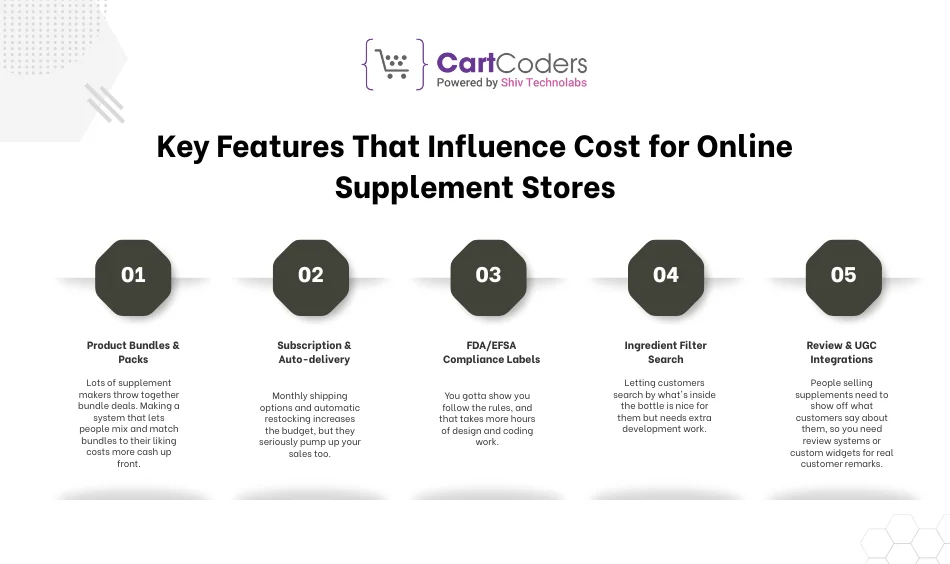
Key Features That Influence Cost for Online Supplement Stores
We’ve collected the big things that are going to change how much your supplement store costs to put together:
Product Bundles & Packs
Lots of supplement makers throw together bundle deals. Making a system that lets people mix and match bundles to their liking costs more cash up front.
Subscription & Auto-delivery
Monthly shipping options and automatic restocking increases the budget, but they seriously pump up your sales too.
FDA/EFSA Compliance Labels
You gotta show you follow the rules, and that takes more hours of design and coding work.
Ingredient Filter Search
Letting customers search by what’s inside the bottle is nice for them but needs extra development work.
Review & UGC Integrations
People selling supplements need to show off what customers say about them, so you need review systems or custom widgets for real customer remarks.
When Do You Need Custom Supplement Website Development?
Here are the main times when building something totally custom just makes sense:
Custom Designs & Landing Pages
If you want landing pages made to get people to buy and sales funnels built specifically for you, you need someone building from scratch.
Custom Checkout Rules for Restricted Products
Checking that someone is old enough, limiting how much people can buy, or blocking sales to certain states often means custom programming.
API Integrations
If you’re hooking up with shipping companies, lab partners, recurring payment platforms, or rewards programs, that’s integration work.
Custom Analytics for Conversion Tracking
Supplement shops need deep dives into numbers and visitor patterns to figure out what’s working and what isn’t.
Need a Supplements eCommerce Website That Fits Your Budget?
Looking to get a supplements or vitamins shop built that launches fast, checks all the legal boxes, turns website visitors into buyers, and handles recurring orders? CartCoders is a custom supplement website development company with hands-on experience in developing a stunning store that cuts downs the waiting time and engages the customers.
We offer supplements ecommerce development services that help you fly fast, rank high on Google, and stay in compliance with all the FDA and local laws you’ve got to follow. Whether you need a basic or complex online store, we offer supplement website design services from start to finish for supplement shops configured exactly to your brand’s needs.
What You Get With CartCoders
Fast and conversion-optimized UI
Fully secure supplement checkout
Subscription and auto-rebill systems
FDA-compliant product layouts
SEO friendly architecture
Affordable pricing models
End-to-end development and support
Conclusion
What you pay to build a supplements eCommerce site in 2026 comes down to which platform you go with, how many products you’re listing, compliance requirements, what special things you want to add, and where you’re doing business.
No matter if you’re on a tight budget or ready to spend, making a really good supplements store needs expertise and people who get the business. CartCoders team can build you a supplement shop that performs like a champ and fits your specific wants.
As the CTO at Shiv Technolabs & CartCoders, I am liable for instigating, planning, integrating, and implementing the organization's strategic orientation.
I gather the most significant tech news in addition to sharing the information I gained while serving as the CTO of Shiv Technolabs, a renowned web and mobile app development company. I am pleased to answer questions as a most valuable expert for Shiv Technolabs Private Limited and to share my experience. I offer a keen insider's perspective on technical advancements.
 eCommerce
Solution
eCommerce
Solution








 INDIA
INDIA


 USA
USA
 CANADA
 AUSTRALIA