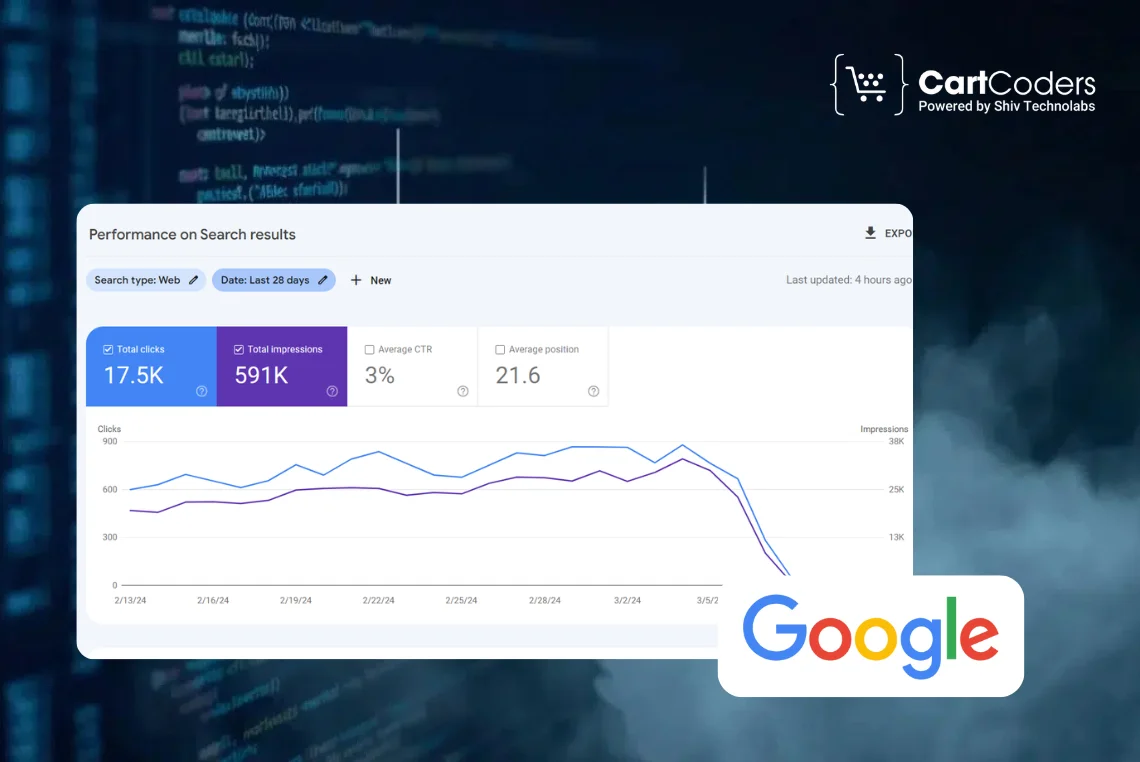
Checkout stands as the last step between interest and payment and it is also where most online stores lose sales. Data shows the worldwide cart abandonment rate is 69.82% and more than half of these exits occur due to checkout friction. Google data shows that a one-second delay during checkout cuts conversion rates by up to 20%, with mobile users affected the most.
The standard Shopify checkout works well for early-stage stores but can feel limiting as traffic grows, product ranges expand and buying paths multiply. At that stage, Shopify headless checkout shifts from a tech change into a direct conversion driver.
Develop Shopify Headless Stores Built For Speed
CartCoders uses modern frameworks for better performance.
This article explains what is Shopify headless checkout, how it runs behind the screen and why brands using it record better completion rates, quicker checkout speed and stronger mobile results. These insights come from real projects delivered by CartCoders, a Shopify development team building conversion-first headless commerce systems.
Why Standard Checkout Blocks Conversions
Standard checkout works fine when a store is small and traffic is predictable. Problems start when real buying pressure enters the system. Higher traffic, repeat visitors, mobile users and campaign spikes expose weak points in speed, clarity and flow. Checkout stops acting like a helper and starts acting like a barrier that slows buyers down.
Checkout Friction on Slow Theme Based Setups
Theme-based checkout depends on shared scripts, fixed layouts and limited speed control. As visitor numbers rise, these layers create delays, layout movement and blocked loading. Even a 500-700ms delay raises doubt and weakens trust. Mobile shoppers notice this instantly, which leads to more exits and unfinished payments.
Drop Offs During Shipping Payment and Login
Mandatory login, unclear delivery charges and stiff payment steps break buyer flow. Research shows that 26% of shoppers leave when account creation is required, while 21% exit due to surprise costs. Standard checkout offers little flexibility to reshape or tailor these steps, making improvement slow and difficult.
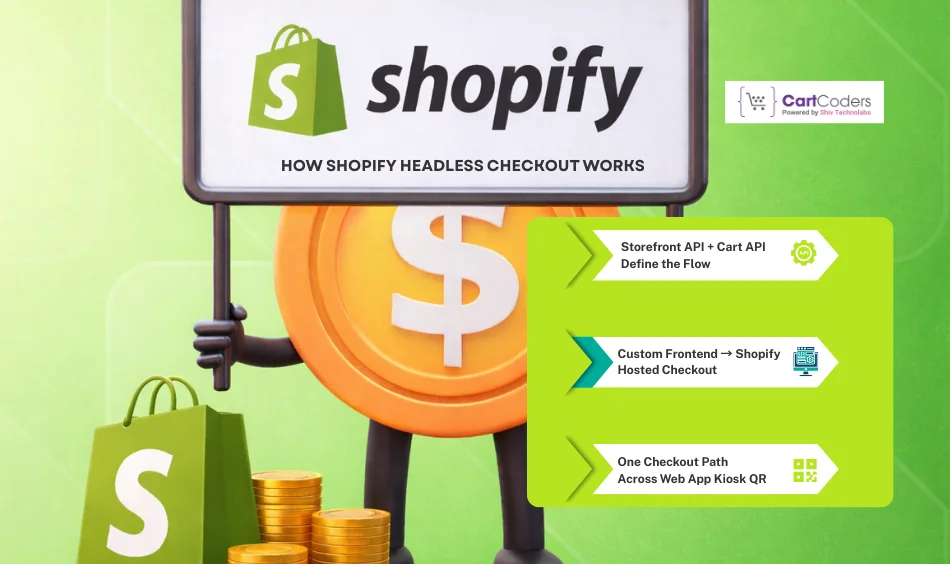
How Shopify Headless Checkout Works
Headless checkout changes how checkout is built, not how payments are processed. Shopify still handles security and transactions, but brands gain control over how buyers reach that point. This separation allows faster pages, cleaner logic and custom flows without risking compliance or stability.
Storefront API + Cart API Define the Flow
Shopify Storefront API and Cart API handle item selection, price rules, buyer identity and cart status. This setup lets brands shape every step of the process before payment without touching Shopify’s secure payment system. Speed, logic and personal touch improve while compliance stays intact.
Custom Frontend → Shopify Hosted Checkout
A custom frontend built with React, Next.js, or Hydrogen manages the whole journey. When users are ready, they move to Shopify’s hosted checkout for payment. This maintains PCI compliance while giving full control over user flow.
One Checkout Path Across Web App Kiosk QR
Headless checkout creates one shared checkout logic across all entry points → website, mobile app, store kiosk, QR purchase and embedded flows. Buyers get the same experience no matter how they enter.
Why Headless Checkout Improves Conversion Rates
Conversion improvement does not come from persuasion or urgency. It comes from removing friction that slows confident buyers down. Headless checkout improves speed, clarity and flow, creating a smoother experience that feels easier and more trustworthy to complete.
Faster Page Transitions
Headless frontends remove theme clutter and unused files. API-based rendering reduces wait time between steps. Many brands see 10% to 30% faster checkout completion, which directly improves shopify headless checkout conversion results.
Shorter Steps and Fewer Fields
Custom rules allow removal of extra fields, hidden steps and manual typing. Guest buyers face simple forms. Returning buyers see saved details. Fewer inputs mean fewer exits.
Better Alignment With Mobile Buying Behavior
More than 72% of ecommerce visits occur on mobile devices. Headless checkout supports mobile-friendly layouts, smart keyboards, address detection and step-by-step reveals. This aligns with mobile habits and lifts checkout success rates.
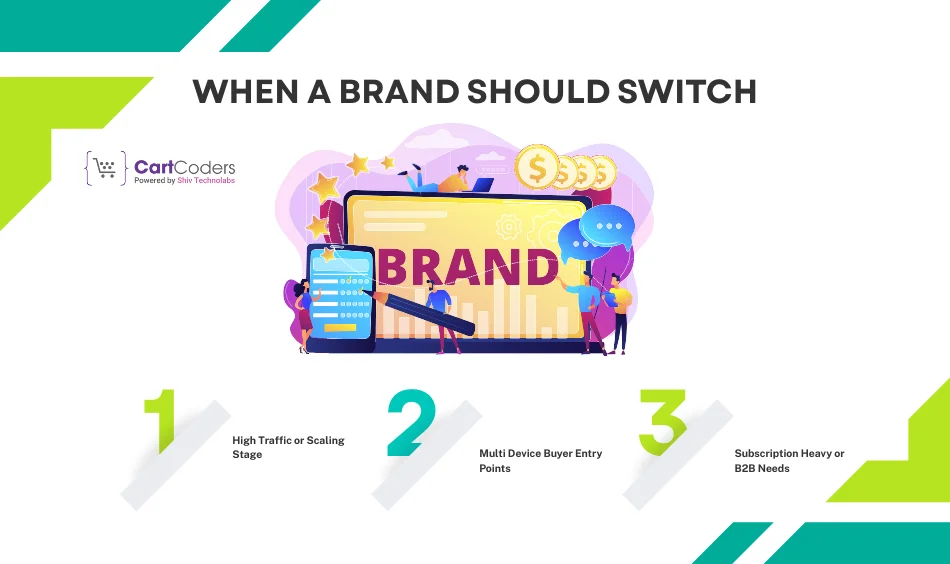
When a Brand Should Switch
Headless checkout does not suit every store at every stage. The value appears when checkout friction starts costing real money. Knowing when to switch helps brands avoid overbuilding early and underperforming later when speed and flexibility become critical.
High Traffic or Scaling Stage
Brands crossing $50k+ monthly revenue often hit checkout speed limits. Traffic spikes magnify small issues. Headless checkout keeps speed steady during launches, offers, and viral surges.
Multi Device Buyer Entry Points
When buyers arrive through apps, QR codes, social sales, or embedded widgets, standard checkout feels restrictive. Headless checkout aligns the experience across all touchpoints.
Subscription Heavy or B2B Needs
Recurring orders, contract pricing, bulk discounts and custom rules need flexibility. Headless checkout handles complex logic without slowing the flow.
Shopify Headless vs Shopify Plus Checkout
These two approaches are often compared, but they address different layers of the problem. Shopify Plus improves checkout within Shopify’s system. Headless checkout changes how buyers reach the checkout page. Many brands misunderstand this difference and end up on the wrong path.
Shopify Plus Checkout Customization
Shopify Plus supports checkout extensions and scripts inside Shopify’s system. It fits brands that want controlled changes without rebuilding frontend logic.
Headless Checkout Custom Frontend Control
Headless checkout controls every step before payment. UX, speed and rules belong entirely to the brand. It suits speed-focused, mobile-led, or experience-driven businesses.
When to Combine Both
Many large brands use Shopify Plus with headless checkout together. Plus manages enterprise tools. Headless sharpens conversion paths.
Using Storefront API for Headless Checkout
APIs form the backbone of headless checkout. They replace theme-based logic with structured data flows. This allows consistent pricing, cleaner cart behavior and better handling of buyer identity without slowing down the experience or adding fragile scripts.
Cart Creation Buyer Identity Checkout URL
Storefront API manages cart setup, discounts, buyer identity and price checks. After final review, it creates a secure checkout URL for payment.
Guest vs Logged In Checkout Paths
Headless checkout switches paths in real time. New users go as guests. Returning users see saved info. This flexibility lifts completion across user groups.
UX Rules for Better Checkout Completion
Checkout UX decides whether intent turns into revenue. Buyers arrive ready to pay, but even small points of confusion cause hesitation. Strong UX removes thinking, reduces effort, and guides users forward without pressure or distraction. Headless checkout gives the control needed to apply these rules properly.
Plan Your Shopify Headless Build With Specialists
CartCoders reviews goals before architecture planning.
No Forced Login or Account Creation
Forced login creates mental resistance. Buyers see it as effort, not value. Data shows 26%+ leave when asked to create an account. The right rule is clear, which allows guest checkout first and offers account creation after payment. Headless checkout separates identity from payment, preserving speed.
Early and Absolute Fee Transparency
Hidden costs break trust fast. Shipping, tax and fees must appear before payment. Strong UX shows full cost early, updates it live and avoids shocks. When buyers know the total upfront, confidence rises. Transparency is a conversion rule, not a design choice.
Thumb First Mobile Input Design
Over 70%+ of checkout traffic comes from mobile, yet many flows still copy desktop forms. Effective UX follows thumb zones, large tap areas, vertical layouts and smart keyboards. Numeric pads, address detection and less typing cut friction sharply. Headless checkout enables this without theme limits.
Progressive Disclosure of Fields
Showing everything at once overwhelms users. Progressive disclosure shows only what is needed at each step. Shipping first, payment next, optional fields last. This keeps mental load low and flow steady. Short forms feel faster even when total input stays the same.
Persistent Context and Visual Stability
Layout jumps weaken trust. Moving prices, shifting buttons, or changing layouts signal risk. Checkout UX must stay visually stable with fixed totals, steady CTAs and clear transitions. Headless checkout keeps rendering controlled, so users feel secure throughout.
Clear Primary Action With Zero Distraction
Each step needs one main action. Extra links, banners, or menus dilute focus. The rule stays simple → one goal per screen. Headless checkout removes clutter and keeps intent clear.
Inline Error Handling With Instant Feedback
Errors must appear as users type, not only after submission. Inline checks explain fixes clearly. Simple guidance lowers frustration and prevents exits. Fast feedback keeps users engaged.
Subscriptions and Headless Checkout
Subscription checkout fails when control is limited. Buyers expect flexibility, clarity and easy management. Headless checkout supports these expectations without forcing users through slow or confusing steps, which directly improves retention and repeat purchases.
One Time + Recurring Mix
Headless checkout supports carts that mix one time buys with subscriptions in one flow.
Customer Controlled Renewal Management
Buyers manage pauses, skips and renewals easily. Control builds trust and raises lifetime value.
Common Issues and Fixes
No system is perfect. Headless checkout introduces new technical responsibilities, but most issues are predictable and easy to solve with proper setup. Knowing these risks early prevents delays, trust loss and data gaps after launch.
Redirect Trust Loss → Domain Consistency
Use branded subdomains and smooth transitions to keep trust intact.
Analytics Breaks → Event Mapping
Custom events must be mapped correctly to keep funnel data accurate.
Cart URL Expiry → Token Refresh
Add token refresh logic to avoid expired carts.
How to Measure Results
Checkout improvements mean nothing without measurement. Clear metrics show whether changes help or hurt. Headless checkout allows deeper tracking, but brands must define success clearly and review results consistently.
Key Metrics Start → Completion %
Track checkout start against completion rate changes.
Mobile vs Desktop Improvements
Review gains by device. Mobile usually shows the biggest lift.
Simple A B Comparison Method
Run parallel flows for clean testing and clear results.
Where Headless Checkout Creates Quick Wins
Some situations show immediate gains from headless checkout. These cases usually involve speed pressure, repeat buyers, or complex catalogs where standard checkout slows confident users down.
Viral Traffic Moments
Traffic spikes perform better with faster checkout flows.
Catalogs With Variants and Complexity
Large selections feel smoother with custom rules.
Recurring Buyers or Wholesale Buyers
Returning users finish faster with tailored flows.
Shopify Headless Checkout by CartCoders
CartCoders builds checkout first headless commerce systems that focus on revenue, not surface level design. Their approach treats checkout as the main growth lever rather than a final technical step.
Checkout First Headless Builds
Each project starts with checkout improvement, not visual polish.
Hydrogen + Storefront API + Partial Headless Options
Flexible setups using Hydrogen, Storefront API and selective headless layers cut cost while boosting results.
Request a Headless Checkout Plan
Brands receive a clear roadmap matched to traffic, complexity, and growth stage.
Conclusion
Headless checkout fits best when speed, catalog size, or mobile traffic makes standard checkout inefficient. It removes doubt, cuts friction and gives brands control over the buying path. The outcome is higher completion without discounts or pressure.
CartCoders focuses on Shopify headless checkout for ecommerce, delivering conversion driven systems that scale with confidence. From checkout only builds to full headless commerce, CartCoders helps brands unlock real revenue growth.
Ready to raise checkout completion by double-digit percentages?
Partner with CartCoders. Get a performance-driven headless checkout plan shaped around your traffic, products and buyers.
Frequently Asked Questions
Is Shopify Plus required?
No. You can build a headless storefront on standard Shopify plans using the Storefront API. For checkout, most stores redirect customers to Shopify-hosted checkout for payment.
Can I use Hydrogen only for checkout?
Yes, Many brands use Hydrogen only for cart and checkout, while keeping the rest theme based. This lowers cost and effort.
How long does a checkout-only build take?
A checkout-focused headless build usually takes 3 to 6 weeks, based on integrations, subscriptions and tracking needs.
Does headless checkout change payment methods?
No, Payment options stay the same. Shopify continues to process payments securely through its hosted checkout.
What is the most significant conversion driver?
Speed and clarity. Faster steps, fewer fields and clear fees create the strongest lift.
As the CTO at Shiv Technolabs & CartCoders, I am liable for instigating, planning, integrating, and implementing the organization's strategic orientation.
I gather the most significant tech news in addition to sharing the information I gained while serving as the CTO of Shiv Technolabs, a renowned web and mobile app development company. I am pleased to answer questions as a most valuable expert for Shiv Technolabs Private Limited and to share my experience. I offer a keen insider's perspective on technical advancements.
 eCommerce
Solution
eCommerce
Solution








 INDIA
INDIA


 USA
USA
 CANADA
 AUSTRALIA