Building a digital storefront is one of the most significant investments a business owner makes. While the Shopify platform provides the foundation, the design is what builds the house. It is the first thing a visitor sees and the primary reason they decide to trust a brand with their money.
Selecting the right Shopify designer is about more than finding someone who can pick a nice font. It is about finding a strategic partner who understands commerce, user behavior, and the technical constraints of the platform. A well-designed store is a tool for growth, and this guide breaks down every step of the selection process to help find the perfect match for any brand.
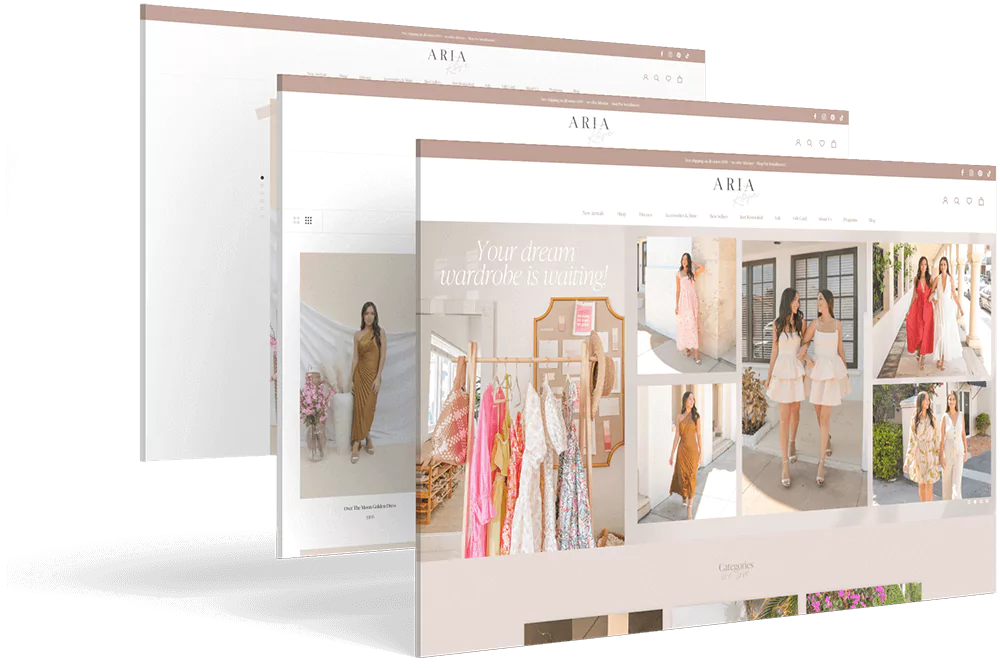
A Unique Look for Your Brand
Stand out from competitors with a store that reflects your vision.
Why the Right Designer Matters for Sales?
Many people fall into the trap of thinking a design is just an aesthetic choice. In reality, design is a functional requirement for sales. A designer who knows Shopify understands how to guide a person from the homepage to the checkout page with the least amount of friction.
If a site is cluttered, slow, or difficult to use on a phone, it loses money. A specialist designer helps avoid these pitfalls by creating a layout that caters to how people buy products. They focus on clear navigation, fast loading times, and a checkout process that feels safe.
Phase 1: Internal Preparation
Before sending out an email to an agency or freelancer, it is vital to know the goals of the project. Walking into a project without a plan leads to wasted time and budget.
Identify Current Pain Points
If a store already exists, what isn’t working?
Is the bounce rate too high?
Do people struggle to find specific products?
Does the brand look outdated compared to competitors?
Is the mobile version of the site clunky or slow?
Set a Realistic Budget
Costs vary. A simple theme setup costs much less than a ground-up custom build. Being honest about the budget allows a designer to explain what they can achieve within that range. It also prevents time being spent on proposals that are financially out of reach.
Establish a Timeline
Is there a goal to launch before a specific holiday or event? Good designers are often booked weeks or months in advance. Starting a search early prevents the creative process from being rushed, which usually results in better quality.
Phase 2: What to Look for in a Portfolio
A portfolio is the best evidence of a designer’s ability. However, looking at pretty pictures isn’t enough. When reviewing past work, look for these specific factors:
Variety in Industry and Style
If every store in a portfolio looks identical, that designer might struggle to create something unique for a new brand. Look for a professional who can adapt to different industries—whether it is high-end fashion, heavy machinery, or organic snacks.
Focus on Mobile-First Design
More than half of all online shopping happens on mobile devices. A designer must show that their work looks and functions perfectly on a smartphone. Ask to see links to live stores and open them on a phone. Check if the menus are easy to tap and if the images load quickly.
Conversion-Focused Elements
A great designer thinks about the “Buy” button. Look for how they handle:
Product Descriptions: Are they easy to read?
Call-to-Action Buttons: Do they stand out?
Navigation: Is it easy to find a product category?
Fix your bounce rate with a layout built for a better buyer path.
Phase 3: Technical Skills vs. Creative Skills
A Shopify designer needs a mix of two different skill sets. While some people specialize in only one, a great partner understands both.
Creative Skills
This involves the visual identity. It includes color theory, typography, and layout. The goal here is to make the brand look professional and trustworthy. They should be able to take a brand’s values and turn them into a visual language.
Technical Knowledge (Liquid and Apps)
Shopify uses a coding language called Liquid. If a designer only knows how to drag and drop elements in a basic editor, they will be limited. A technical designer can:
Modify the code to add custom features.
Integrate third-party apps without slowing down the site.
Fix bugs that might appear during the build.
Make sure the site is accessible to people with disabilities.
Phase 4: The Interview Process
Once a shortlist of candidates is ready, it is time to talk to them. The goal of an interview is to see how they think and how they communicate.
Questions to Ask:
“What is your process for discovery?” A good designer wants to know about the target audience and the products before they start drawing.
“How do you handle revisions?” It is important to know how many rounds of changes are included in the price.
“Do you build custom themes or work with existing ones?” Both are valid, but custom themes usually cost more and offer more flexibility.
“How do you test for speed and performance?” A beautiful site is useless if it takes ten seconds to load.
“What happens if something breaks after launch?” Maintenance and support are key to long-term success.
Phase 5: Communication and Project Management
A project can fail even with a great designer if the communication is poor. During the initial talks, pay attention to these signs:
Responsiveness: Do they take a week to reply to a simple question?
Clarity: Do they explain things in a way that is easy to understand, or do they hide behind jargon?
Tools: Do they use project management tools like Trello, Asana, or Slack to keep things organized?
Transparency: Are they clear about what is and isn’t included in the quote?
Phase 6: Understanding the Contract
Before signing anything, read the fine print. A professional contract protects both the store owner and the designer. It should clearly outline:
The Scope of Work: Exactly what is being built.
Payment Schedule: Usually, a deposit is followed by payments at specific milestones.
Ownership: Confirmation that the store owner owns the final design and code once the final payment is made.
Deadlines: When each phase of the project should be finished.
Why CartCoders is the Right Partner for Your Shopify Store?
Finding a balance between a creative vision and technical stability is where CartCoders stands out. We do not just build websites; we build commerce engines. Our team focuses on the specific needs of the Shopify platform, ensuring that every store we work on is fast, reliable, and ready to handle high traffic.
We take the time to understand the story behind a brand. This allows us to create custom designs that resonate with customers and drive results. From small design tweaks to full-scale custom builds, we provide the technical expertise needed to make an online business thrive. Our process is built on clear communication and a commitment to quality, making us a trusted choice for merchants who want to grow.
Conclusion
Choosing a Shopify designer is a decision that impacts a business for years. By focusing on portfolios, technical skills, and clear communication, a store owner can find a partner who does more than just make a site look good.
They find a partner who helps the business grow. Take the time to do the research, ask the right questions, and choose a designer who understands the long-term vision of the brand. Contact CartCoders right away!
Frequently Asked Questions (FAQs)
How much does it cost to hire a Shopify designer?
The cost depends on the complexity. A basic setup using an existing theme might cost between $1,000 and $3,000. A fully custom design with unique features often starts at $5,000 and can go much higher depending on the requirements.
How long does the design process take?
A standard Shopify store build usually takes between 4 to 8 weeks. This includes discovery, design, coding, and testing. Custom projects with complex integrations can take longer.
Should I hire a freelancer or an agency?
Freelancers are often more affordable and provide a single point of contact. Agencies offer a wider range of skills, such as SEO, copywriting, and advanced development, which can be helpful for larger projects.
Can I change my Shopify design later?
Yes. One of the benefits of Shopify design is that you can update the theme or hire a designer to make changes at any time without losing your product data or customer information.
Do I need a designer if I use a Shopify theme?
While themes are great, a designer helps customize the theme to match a brand perfectly. They also make sure the layout is structured to convert visitors into buyers, which a standard theme might not do out of the box.
As the CTO at Shiv Technolabs & CartCoders, I am liable for instigating, planning, integrating, and implementing the organization's strategic orientation.
I gather the most significant tech news in addition to sharing the information I gained while serving as the CTO of Shiv Technolabs, a renowned web and mobile app development company. I am pleased to answer questions as a most valuable expert for Shiv Technolabs Private Limited and to share my experience. I offer a keen insider's perspective on technical advancements.
 eCommerce
Solution
eCommerce
Solution







 INDIA
INDIA


 USA
USA
 CANADA
 AUSTRALIA