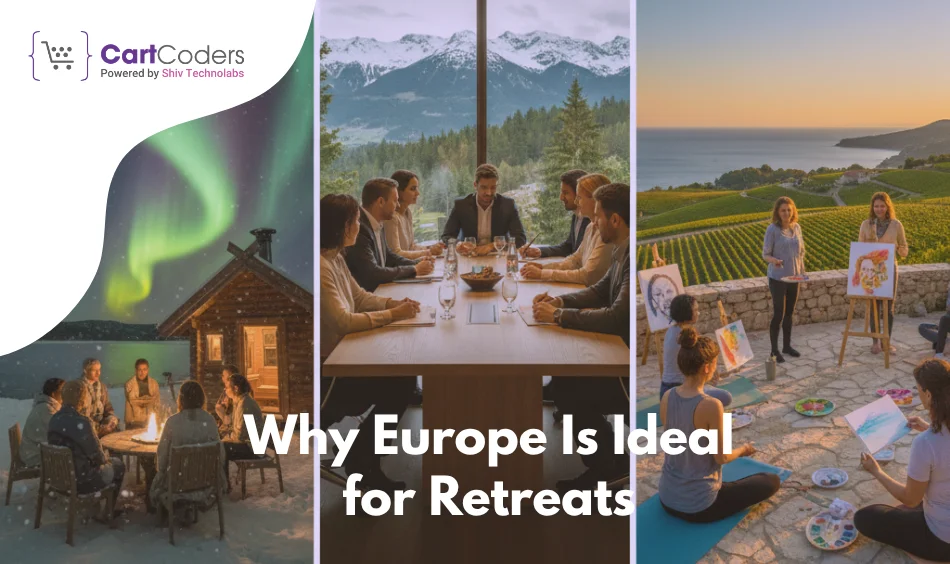
The retreat business is expanding across Europe faster than ever. Wellness, corporate, and creative retreats are attracting guests seeking meaningful time away from cities. As travel bounces back, this segment of the tourism economy shows steady growth. Analysts predict the European wellness travel market to reach €120 billion by 2029, increasing about 10 percent each year.
More people want experiences that combine rest, nature, and learning. That shift creates a space for small business owners, coaches, and creators to host specialized retreats.
From a weekend yoga escape in Germany’s Black Forest to an art and wine session in southern France, demand is clear. Even smaller countries like Poland and Finland are catching up, offering affordable venues surrounded by lakes, forests, or snow.
Launch Your Own Retreat Booking Website
Calendars, payments, rooms—all in one
The best part — you can start small. A single villa rental or countryside lodge is often enough to test your idea. If you plan well, follow legal rules, and market smartly, one retreat can become a recurring yearly business.
What a Retreat Business Means in Europe
A retreat business organizes structured events where people pay for guided activities and accommodation. It can focus on wellness, skill-building, or corporate goals. Each retreat blends learning, community, and rest.
Common types include:
Wellness Retreats: Yoga, meditation, mindfulness, or spa-based programs.
Corporate Retreats: Team-building, planning sessions, or off-site leadership events.
Creative Retreats: Art, photography, or writing camps.
Lifestyle Retreats: Cooking, hiking, or wine tours.
Your main goal is to offer a safe, structured environment where guests reconnect and recharge. In 2025, travelers across Europe prefer small groups, local food, and eco-friendly stays. Keeping these preferences central helps your business stand out.
Why Europe Is Ideal for Retreats
Europe’s diversity gives retreat founders many choices. You can pick a mountain lodge, coastal villa, or rural farmhouse and still stay close to airports and train lines. Each country brings its own benefits.
Germany
Germany leads in corporate retreats and wellness resorts. Locations like Bavaria, Black Forest, and Allgäu have large wellness hotels with ready-made meeting spaces. English-friendly service and train access make operations easy.
France
France attracts creative and lifestyle retreat hosts. The Provence, Loire Valley, and coastal regions allow vineyard art camps, food retreats, or yoga by the sea. Luxury guests are willing to pay more for French hospitality and cuisine.
Poland
Poland is growing fast as a budget-friendly option. Lakes, castles, and eco-villages support both wellness and corporate groups. Local costs for staff, food, and venues remain lower than in western Europe.
Netherlands
The Netherlands appeals to startup founders and digital teams. Many companies hold innovation or remote-work retreats in countryside farms near Amsterdam or Utrecht. Sustainable facilities are common, matching European ESG trends.
Finland
Finland’s nature and sauna culture attract mindfulness and winter wellness retreats. Lakeside cabins and northern-light lodges bring guests year-round. Safety and privacy make it ideal for small premium groups.
Together, these regions form Europe’s strongest base for new retreat operators. Each offers clear value: infrastructure, audience, and safety.
Step 1 – Research Your Audience and Market
Before renting a venue, study your audience. Ask: Who do I want to host and what problem do I solve for them? A retreat for corporate teams differs from one for yoga instructors.
Research includes three simple tasks:
Analyze search trends. Look up phrases like wellness retreat Germany or team retreat Netherlands using Google Trends.
Review competitors. Check their prices, group size, and guest reviews.
Survey potential attendees. Use social polls or email lists to test interest.
Collect details such as:
Preferred duration (2–5 nights average)
Price comfort zone (€800–€1 200 per person)
Travel distance they accept (under 3 hours door to door)
Use this data to design your offer and select a region that fits your audience.
Step 2 – Define Your Retreat Niche
Once you know your target group, choose your niche. A focused theme helps you market better and charge premium rates.
Example niches that work well in Europe:
Mind + Nature: Yoga and hiking in the Austrian Alps or German Black Forest.
Creative Reset: Painting in Provence or photography in Amsterdam.
Digital Detox: Cabin retreat with no Wi-Fi in Finland.
Corporate Growth: Strategy sessions for startups in Dutch countryside.
Keep the promise clear. Tell guests what they will gain: mental clarity, skills, team bonding, or well-being. Avoid too many themes; one core idea per event keeps planning tight and messaging simple.
Host Retreats Online With Smart Booking Tools
Payments, group logic, lead capture—all built
Step 3 – Pick Your Country and Venue
Europe offers different cost levels. Compare locations before signing any contract.
Country
Average Venue Cost / Night
Best Season
Group Size
Venue Type
Germany
€700 – €1 200
Apr – Sep
12 – 20
Forest lodges, wellness hotels
France
€900 – €1 500
May – Oct
10 – 18
Vineyards, coastal villas
Poland
€400 – €900
May – Aug
14 – 22
Lakeside houses, castles
Netherlands
€800 – €1 200
Apr – Oct
8 – 16
Farm lodges, canal houses
Finland
€600 – €1 000
Feb – Aug
10 – 15
Cabins, sauna resorts
Always check permits and local tax rules before booking. Tourism taxes and business registration can change by region. Reading local municipal websites early avoids issues later.
Step 4 – Create a Simple Business Plan
A short business plan keeps your idea realistic. Include these points:
Target audience and niche
Retreat location and duration
Budget (venue, staff, marketing, permits)
Pricing and break-even target
Marketing and sales strategy
This plan guides your first budget and acts as a pitch if you need investors or loans.
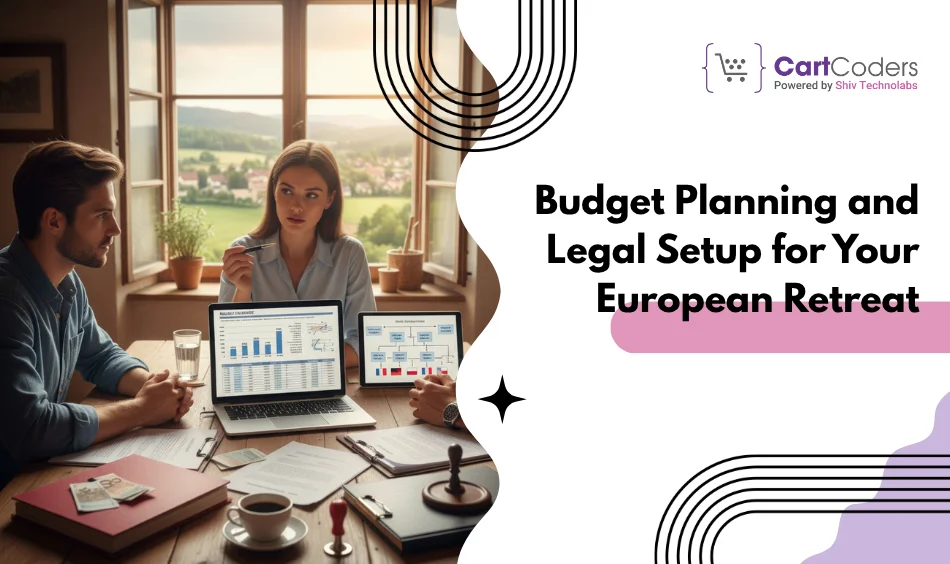
Budget Planning and Legal Setup for Your European Retreat
Once your idea feels clear, it is time to study the numbers. Planning a retreat without a budget invites trouble later. Europe’s wide price range can work in your favor if you calculate early.
Step 5 – Plan Your Budget Before You Spend
Start by writing down every fixed and variable cost. Fixed costs remain the same no matter how many guests you host. Variable costs grow with each person.
Cost Type
Example Items
Notes
Fixed Costs
Venue rental, permits, insurance, marketing, staff salary for the event week
Paid once per event
Variable Costs
Food, linen, transport, activity fees, welcome kits per guest
Grows with guest count
Average Startup Spending
Venue deposit: €2 000 – €4 000
Marketing & branding: €800 – €1 200
Insurance & permits: €700 – €1 500
Staff training or consultant fees: €1 000 – €2 000
Total Initial Budget: €8 000 – €25 000 depending on venue and scale.
Step 6 – Find Your Break-Even Point
Every retreat owner should know how many guests cover their costs. Use this formula:
Now you can see the effect of price and group size. Raise your ticket to €1 200 and the break-even drops to 23 guests. Offer early-bird discounts without hurting margin by tracking these numbers.
Step 7 – Pick a Pricing Model That Fits Your Region
Europe’s cost of living varies by country. Choose pricing that reflects it.
Country
Mid-Range Ticket
Luxury Ticket
Common Duration
Germany
€850 – €1 200
€1 800 +
3–5 nights
France
€1 000 – €1 400
€2 000 +
4–6 nights
Poland
€600 – €900
€1 200 +
3–4 nights
Netherlands
€900 – €1 300
€1 700 +
3–5 nights
Finland
€800 – €1 100
€1 500 +
3–5 nights
Early-bird tiers help fill beds fast. Offer shared room pricing for budget travelers and private rooms for premium guests. Add optional extras like airport transfer or private coaching.
Step 8 – Understand Legal Rules Across Europe
Legal requirements change by country, but some steps apply everywhere.
Basic Checklist:
Register your business with the local authority.
Get liability and professional insurance.
Follow GDPR rules for guest data.
Draft participant waivers and refund policy.
Obtain permits if serving alcohol or offering bodywork.
Keep emergency contacts and first-aid kits ready.
Country Highlights
Germany
Register through the local Gewerbeamt (business office).
Some retreats need a Reiseveranstalter license if you sell a package with lodging and activities.
Add tax (VAT 19 %) to invoices.
France
Apply for a SIRET number through the INSEE portal.
Include civil liability insurance (assurance responsabilité civile).
The EU Package Travel Directive applies to combined services (lodging + activities).
Poland
Register a sole trader (jednoosobowa działalność gospodarcza).
VAT threshold ≈ PLN 200 000 revenue per year.
For group tours, obtain a tour operator certificate from the regional marshal office.
Netherlands
Register with the KvK Chamber of Commerce.
Business ID links you to tax office automatically.
Some municipalities require event permits for loud music or open-fire areas.
Finland
Apply for a business ID (Y-tunnus).
Follow Regional State Administrative Agency rules for lodging safety.
Add VAT 24 % to services.
Tip: Keep copies of permits on-site. Many local inspectors check randomly during tourism season.
Step 9 – Get Insurance and Waivers in Place
Insurance builds trust and reduces risk. At minimum, you need:
Public Liability: Covers accidents involving guests or staff.
Professional Indemnity: Protects against claims from training or advice.
Property Insurance: For equipment and venue damage.
Travel Insurance Partnership: Encourage guests to buy coverage for flights and delays.
Add a clear waiver form signed before arrival. It should mention activity risks, refund rules, and emergency contacts. Translate it into the local language if your guests are international.
Step 10 – Hire Staff and Vendors with Local Knowledge
Hiring local teams simplifies logistics. They understand permits, suppliers, and customs. Key roles include:
Retreat host or manager
Chef or catering partner
Yoga or wellness teacher
Photographer or videographer
Driver or transport partner
Prepare a timeline to stay organized:
Time Before Retreat
Tasks
90 days
Book venue and sign contracts
60 days
Confirm instructors and permits
30 days
Launch ads and email sequence
7 days
Final menu and equipment check
Event day
Safety briefing and guest welcome
With budget and legal foundation ready, you can move to the next stage — building a booking website and marketing your event to the right audience.
Build Your Website, Booking System & Refund Policies
Your retreat idea is ready, your budget is set, and your permits are in place. Now you need a professional online presence. Most guests discover retreats through Google, Instagram, or referrals. A clear website and booking system help them trust you and pay safely.
Step 11 – Design a Website That Builds Trust
A retreat site doesn’t need hundreds of pages. It needs clarity.
Include these sections:
Hero Banner: A simple headline with your retreat name and dates. Example – “Mind + Nature Retreat, Bavarian Alps, May 2025.”
About the Experience: Describe your program in plain words. Show activities, meals, and expected outcomes.
Itinerary Table: Add a day-by-day plan (Arrival → Workshops → Excursions → Departure).
Pricing & Inclusions: List what guests get (room, meals, sessions, transfers). Mention if flights are excluded.
FAQ Section: Answer common questions (cost, refunds, visa support).
Booking Form + Secure Payment: Use trusted gateways like Shopify Payments or Stripe to accept Euros, GBP, and USD.
Gallery & Testimonials: Show real images and guest reviews
Step 12 – Make Your Site Multilingual & Compliant
Europe has language diversity. Translate your main pages into English plus the local language. If your event is in France, offer French content too.
Add these EU rules on your site:
Cookie consent banner.
GDPR privacy policy.
Clear terms and refund policy.
Invoice with VAT number.
This builds trust for EU residents and helps your ranking on local search results.
Step 13 – Set Up Your Booking Flow
Guests decide fast when they see simple steps. Avoid complicated forms.
Ideal Booking Path:
Select date and room type.
Pay deposit (25–40 %).
Receive confirmation email with travel guide.
Pay balance before arrival (usually 30 days before check-in).
Include a progress bar so guests know where they stand. Send automated reminders for balance payment and dietary forms.
Offer discount codes for returning guests. Add a waitlist feature for sold-out dates. These small details increase bookings and Google’s user-engagement signals.
Step 14 – Build a Fair Refund and Cancellation Policy
A clear policy saves you from conflict. European travel laws protect consumers strongly. Your policy must match the EU Package Travel Directive.
Example Policy:
Full refund if cancelled 60 days before the retreat.
50 % refund if cancelled 30 days before.
No refund within 14 days of arrival.
Mention if you allow date transfer or credit for future events. Add a line about unforeseen events (force majeure).
Translate your policy into the local language of the venue country. Attach it to booking confirmation emails.
Step 15 – Use Trusted Payment Gateways
Guests feel safe when they recognize the checkout system. Popular choices for Europe:
Shopify Payments
Stripe
PayPal
Klarna for installments
Revolut Business
Allow multi-currency payments and display amounts in Euros by default. Show SSL badges and security seals. Add a phone number or email for payment queries.
Step 16 – Add Automation and Analytics
Automation saves time. Use Shopify or a booking plugin to send automatic emails. Set these triggers:
Confirmation after deposit payment.
Balance reminder before deadline.
Packing list and travel details a week before arrival.
Feedback form after departure.
Track data with Google Analytics and Search Console. Check which countries send most visitors. Adjust your ad targeting accordingly.
Step 17 – Plan Your Marketing Launch
Your first launch decides your future bookings. Start with a four-week plan.
Week
Goal
Action
T-28
Announce dates
Post on Instagram, Facebook, LinkedIn
T-21
Show behind-the-scenes
Share venue photos and short videos
T-14
Add testimonials and early-bird offers
Send emails + run meta ads
T-7
Push final seats
Use countdown posts and Google Ads
Content Ideas:
Short reel of morning yoga view in Finland.
Guest quote from a Polish castle workshop.
Team intro post with smiling instructors.
Step 18 – Partner with Local Influencers and Communities
Micro-influencers drive bookings better than global ones. Pick creators who live in your venue region. Offer them a free spot in exchange for reels and stories.
Join local Facebook groups for wellness or remote workers. Many companies in Amsterdam and Berlin book offsites through personal recommendations.
Encourage past guests to post photos and tag your account. User-generated content improves SEO and feeds AI Overviews with fresh social proof.
Step 19 – Build Email and Referral Systems
Create a simple email series:
Welcome + program details.
Story of how you started.
Early-bird alert.
Packing list + final tips.
Add a referral program. Offer €50 credit to anyone bringing a friend. Repeat guests reduce ad cost and boost profit.
Deliver Great Guest Experiences and Scale Across Europe
Your retreat is ready to welcome guests. The next challenge is running it smoothly and collecting feedback for future growth. A retreat that ends with happy guests quickly turns into a repeatable business model.
Step 20 – Prepare for Guest Arrival
Start by reviewing every checklist three days before guests arrive. Confirm rooms, meals, and instructor schedules. Walk through the venue to test sound, lights, and Wi-Fi (if used).
Create a simple welcome pack that includes:
A printed itinerary
Emergency contacts
Meal timings
Local map and transport details
Add a QR code linking to your WhatsApp or Telegram group for quick communication.
Step 21 – Manage On-Site Operations
Assign clear roles to your staff:
Role
Responsibility
Retreat Host
Guest check-in, timing updates
Instructor
Daily sessions, progress tracking
Chef
Menus, dietary adjustments
Logistics Lead
Transfers, supplies
Content Creator
Photos, reels, live updates
Hold short team meetings each morning. Review weather, transport, or guest needs. If you’re running a corporate retreat, start each day with an agenda review.
Keep a small backup budget (around 5 % of total) for surprises like equipment rental or extra transport.
Step 22 – Deliver an Experience That Guests Remember
Focus on details. Warm greetings, flexible meal times, and personal check-ins make guests feel valued.
Add a signature moment to your retreat — for example:
Bonfire dinner under Finnish stars
Sunrise meditation in the Black Forest
Wine-tasting evening in Provence
Group photo in a Polish castle courtyard
These moments create stories guests share online, strengthening your brand.
Step 23 – Collect Feedback While Guests Are Still On-Site
Do not wait until everyone leaves. Place a short feedback form on breakfast tables or send a link through WhatsApp. Ask five simple questions:
How did you hear about us?
What part did you enjoy most?
What can we improve?
Would you join another retreat?
May we share your testimonial?
Quick answers become useful marketing content. Use positive comments on your next landing page or social post.
Step 24 – Capture Content Without Disturbing the Mood
Visual proof drives bookings. Assign one team member to handle media so instructors stay focused. Collect:
Photos of sessions, meals, and nature walks
Short video clips (under 10 seconds)
Guest testimonials recorded at check-out
Ask for consent before posting. Tag guests and locations for organic reach.
Step 25 – Handle Post-Event Follow-Up
Within 48 hours, send a thank-you email. Include group photos, next retreat dates, and a referral discount.
Create a feedback summary:
Number of guests
Net revenue
Top-rated sessions
Common improvement notes
Review it with your team and vendors. These insights help you refine the next event.
Step 26 – Build Long-Term Relationships
Keep past guests connected through newsletters or community groups. Send monthly updates with mindfulness tips or local travel guides.
Offer early-access booking for returning guests. Repeat participation can raise your profit by 20 % without extra ad spend.
Encourage corporate clients to book annual offsites. Send invoices in Euros or local currency with transparent tax details.
Step 27 – Expand Across Europe
Once you complete two or three successful events, plan to expand. Use your feedback data to decide where to host next.
Growth ideas:
Partner with venues in two different countries per year.
Offer multilingual programs.
Hire a regional coordinator for legal and supplier work.
Create seasonal themes — winter wellness in Finland, summer creativity in France.
Register local trade names in each new country for smoother accounting.
Step 28 – Track Profit and Marketing Results
At the end of each retreat cycle, measure:
Occupancy rate
Average revenue per guest
Return guest percentage
Ad-spend return (ROAS)
Use Google Analytics and booking-app reports to trace which channels brought the most conversions.
Post insights on your social platforms to position yourself as an expert host. This strengthens authority and feeds AI Overviews with credible signals.
Step 29 – Stay Legally Updated
Tourism and tax rules can change every year. Check the EU Business Portal and your country’s tourism board quarterly. Subscribe to their newsletters for permit updates.
Renew insurance yearly and review your waiver forms. Add new activity details if you change your program.
How CartCoders Helps You Launch and Scale Your Retreat Business
Building a retreat website that attracts bookings takes skill and experience. That’s where CartCoders comes in. Our team creates Shopify-based websites for travel, wellness, and lifestyle businesses that need smooth booking systems, secure payments, and strong visibility across Europe.
We design layouts that convert interest into paid reservations. From multilingual setup to regional payment gateways like Klarna, Stripe, and PayPal, everything runs from one dashboard. We also help you integrate apps for scheduling, group management, and post-event email flows.
If you plan to host retreats in Germany, France, Poland, the Netherlands, or Finland, our developers can tailor your site for each market. Currency conversion, GDPR compliance, and local tax settings are all handled for you.
Whether you’re starting a small yoga retreat or expanding into corporate offsites, CartCoders helps you move faster with fewer technical worries.
Get in touch with CartCoders to build your retreat booking platform and start turning interest into confirmed guests.
Final Thoughts
Running a retreat business in Europe is both creative and practical. You learn to balance guest care, culture, and finance. Success depends on planning early, managing risks, and maintaining genuine communication with guests.
Start small with one venue and a clear niche. Deliver a strong first experience, gather feedback, and scale to new destinations. Within two years, your retreat brand can serve hundreds of travelers across Germany, France, Poland, the Netherlands, and Finland.
FAQs
How much does it cost to start a retreat business in Europe?
Starting a retreat in Europe usually costs between €8 000 and €25 000. The amount depends on venue size, guest capacity, and event duration. Fixed costs like permits and insurance stay constant, while variable costs such as meals and transfers change with guest count.
How many guests do I need to break even for a retreat?
Most hosts reach break-even at 15–20 guests. Divide your fixed costs by the profit per guest to find your number. For example, €16 000 ÷ (€1 100 – €450) ≈ 25 guests. Adjust pricing or capacity until your event becomes profitable.
What legal requirements apply when hosting retreats in Europe?
You must register a business, hold public liability insurance, follow GDPR, and meet local lodging safety rules. Some countries also require tourism or travel organizer licenses if you sell combined services like accommodation + activities.
Which European countries are best for new retreat businesses?
Germany, France, Poland, the Netherlands, and Finland offer strong infrastructure and safety. France suits lifestyle retreats, Germany fits corporate groups, Poland offers low costs, the Netherlands attracts startups, and Finland draws nature-based wellness travelers.
How long should a European retreat last?
Most retreats run three to five nights. Shorter events attract busy professionals, while longer ones suit wellness or creative programs. Consider travel distance and weather before finalizing duration.
What are common pricing models for European retreats?
Use a tiered model: early-bird discounts, shared-room options, and premium private rooms. Include add-ons like transfers or coaching sessions. Typical rates range €800–€1 200 for mid-range and €1 800+ for luxury packages.
Do I need insurance for a small wellness retreat?
Yes. Public liability, professional indemnity, and property coverage are essential even for small events. They protect you from claims related to injury, property damage, or advice given during sessions.
How can I market a retreat in Europe effectively?
Use organic content, email campaigns, and short videos showing your venue or activities. Partner with local influencers and advertise in regional languages. A multilingual Shopify site also helps capture direct bookings from search and AI platforms.
Can CartCoders create a retreat booking website on Shopify?
Yes. We build Shopify sites that support retreat bookings, event calendars, and payment plans. Our team sets up secure checkout, multilingual pages, and VAT-ready invoices for hosts across Europe.
How does CartCoders handle multi-currency and regional payments?
We integrate gateways like Stripe, PayPal, and Klarna. Guests can pay in Euros, GBP, or USD. We also configure tax settings for Germany, France, Poland, the Netherlands, and Finland so payments stay compliant.
Can CartCoders customize a retreat site for each European country?
Absolutely. We adjust language, currency, and design to match each region’s user habits. Whether you host in France or Finland, our developers build one central Shopify backend that manages multiple localized storefronts.
Why is CartCoders a reliable partner for travel and retreat websites?
We specialize in Shopify solutions for travel, lifestyle, and eCommerce sectors. Our focus is on clean design, booking flow, and data security. Clients trust us because we simplify setup, maintain performance, and adapt sites for every European market.
As the CTO at Shiv Technolabs & CartCoders, I am liable for instigating, planning, integrating, and implementing the organization's strategic orientation.
I gather the most significant tech news in addition to sharing the information I gained while serving as the CTO of Shiv Technolabs, a renowned web and mobile app development company. I am pleased to answer questions as a most valuable expert for Shiv Technolabs Private Limited and to share my experience. I offer a keen insider's perspective on technical advancements.
 eCommerce
Solution
eCommerce
Solution





 INDIA
INDIA


 USA
USA
 CANADA
 AUSTRALIA