The digital retail landscape has shifted from simple transactional storefronts to complex, intelligence-driven ecosystems. For US brands and independent sellers, the primary challenge in 2026 is no longer just starting to sell online but identifying which platform architecture aligns with their specific unit economics and fulfillment requirements.
Marketplaces now serve as the primary discovery engines for American consumers, outperforming traditional search engines for product-specific queries. To succeed, one must analyze the top-performing platforms through the lens of logistics, audience intent, and emerging commerce technology.
Scalable Multi-Vendor Engineering for US Markets
We build high-speed, headless commerce platforms that handle complex vendor data and thousands of concurrent transactions.
Ranking the Best Online Selling Platforms for US Merchants
The following platforms represent the pillars of US digital trade. Each has adapted its core technology to meet the 2026 demands for hyper-speed delivery and AI-assisted shopping.
Amazon FBA: Dominating Same-Day Logistics and Prime Loyalty
Amazon remains the benchmark for US eCommerce. In 2026, the platform will have transitioned toward a decentralized neighborhood fulfillment model.
Prime Infrastructure: With over 200 million members, Amazon’s Prime program provides a captive audience that prioritizes delivery speed above all else.
Predictive Stocking: Using sophisticated algorithms, Amazon now moves seller inventory to local micro-hubs before a purchase occurs, making one-hour delivery a standard in major metro areas.
Seller Strategy: High-volume manufacturers benefit most here, though rising referral fees and storage costs require a focus on high inventory turnover.
Walmart Marketplace: The Leader in Omnichannel Retail Integration
Walmart has successfully leveraged its physical store network to create a hybrid commerce experience that Amazon cannot easily replicate.
BOPIS and Curbside Excellence: Sellers on Walmart can tap into the Buy Online, Pick Up In-Store trend, which has become a preferred method for US shoppers looking to avoid shipping costs.
Lower Competitive Density: Compared to Amazon’s saturated catalog, Walmart offers brand owners a better chance at winning the Buy Box without aggressive price wars.
TikTok Shop and Social Commerce: Capturing Impulse-Driven Sales
Social commerce has reached a tipping point in 2026, with TikTok Shop leading the charge in converting viral content into immediate revenue.
The Live Stream Economy: This platform is ideal for categories like apparel, beauty, and home gadgets, where visual demonstration drives conversions.
Native Checkout Systems: By removing the friction of leaving the app to complete a purchase, TikTok Shop has achieved conversion rates that often surpass traditional mobile web stores.
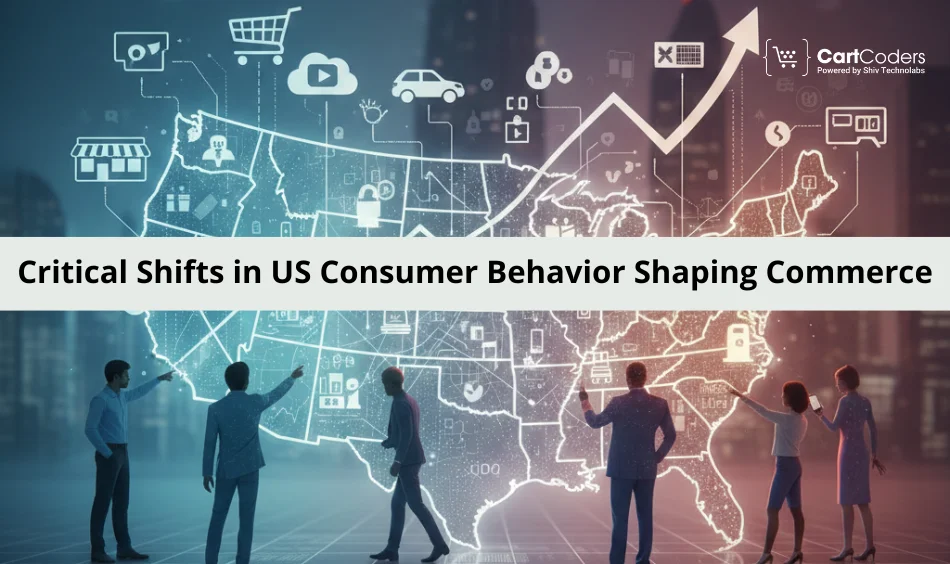
Critical Shifts in US Consumer Behavior Shaping 2026 Commerce
To build a platform or sell effectively, businesses must align with the psychological and technological shifts currently defining the American market.
The Rise of AI-Driven Product Discovery (AEO)
Consumers have moved away from broad keyword searches. Instead, they use conversational AI agents to find products. A typical 2026 query is: Find me a sustainable, waterproof hiking boot under $150 with five-star reviews for wide feet. Marketplaces that fail to provide high-quality, structured metadata for these AI agents to crawl are effectively invisible.
Hyper-Local Speed and the Dark Store Revolution
The expectation for delivery has shifted from days to hours. In 2026, the last-mile problem is solved through dark stores—small-scale warehouses located in urban centers. Any marketplace hoping to compete must either build this infrastructure or partner with local delivery networks to meet the four-hour delivery window.
Sustainability and Radical Transparency as a Requirement
US shoppers, particularly Gen Z and Millennials, now use Sustainability Filters as a primary search tool. They look for:
Carbon-Neutral Shipping: Verification that the delivery process is offset.
Ethical Sourcing Documentation: Clear proof of fair labor and environmental standards.
Plastic-Free Packaging: Marketplaces that incentivize eco-friendly packaging see significantly higher repeat purchase rates.
Secure, API-First Development for Global Trade
Protect your vendors and buyers with biometric authentication, PCI-compliant payments, and an ironclad data architecture.
Vertical vs. Horizontal Marketplaces: Finding the Profitable Niche
The everything store model is increasingly difficult to launch from scratch due to the dominance of Amazon. The most successful new marketplace entries are Vertical Marketplaces. These platforms focus on a single category—such as vintage luxury, industrial B2B parts, or eco-friendly home goods—and provide a tailored user experience that generalist sites cannot match.
For a US seller, diversifying across one major horizontal platform (like Amazon) and one specialized vertical platform (like Etsy or a niche-specific site) is the standard blueprint for risk mitigation and brand growth.
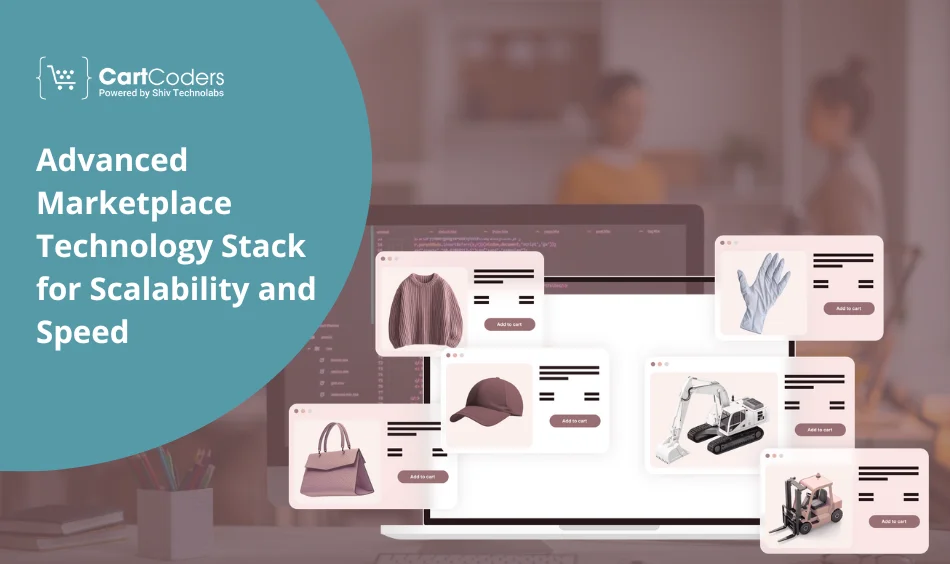
Advanced Marketplace Technology Stack for Scalability and Speed
A 2026 marketplace must handle thousands of concurrent users and real-time inventory updates without lag. This requires a modern stack that separates the user experience from the complex backend logic.
Implementing Headless Commerce and Microservices Architecture
The Frontend Advantage: You can build different interfaces for mobile apps, web browsers, and even smart home devices while using the same backend.
Microservices: Instead of one giant codebase, your marketplace is split into smaller services (e.g., one for payments, one for reviews, one for inventory). If the payment service needs an update, the rest of the site stays online.
Real-Time Data Processing and Cloud Infrastructure
Global marketplaces cannot afford downtime. Utilizing cloud providers like AWS, Google Cloud, or Azure allows for auto-scaling—where your server power increases automatically during high-traffic events like Black Friday.
Edge Computing: By storing data closer to the user’s physical location, you reduce page load times to milliseconds, which is vital for maintaining high conversion rates in the US market.
Essential Features for High-Conversion Multi-Vendor Ecosystems
A successful marketplace must serve two distinct groups: the sellers (vendors) and the buyers (customers). If either group finds the platform difficult to use, the ecosystem fails.
Robust Vendor Management Dashboards and Onboarding
To attract high-quality US sellers, your platform must make their lives easy.
Bulk Inventory Tools: Automated systems that allow sellers to sync their stock from other platforms like Shopify or eBay directly to your marketplace.
Advanced Analytics: Real-time data showing sellers which products are trending, where their customers live, and how their pricing compares to competitors.
Automated Payouts: Integrating systems like Stripe Connect to handle complex split payments, ensuring sellers get paid quickly while the platform automatically keeps its commission.
AI-Powered Buyer Experiences and Trust Signals
In 2026, the buyer’s journey is guided by intelligence and safety.
Semantic Search Engines: Moving beyond simple keywords to understand buyer intent. If a user searches for a summer party outfit, the AI should suggest coordinated items based on local weather data.
Transparent Review Verification: Using blockchain or advanced AI patterns to eliminate fake reviews, which is a major pain point for US consumers.
One-Click Multi-Vendor Checkout: Allowing a buyer to purchase items from five different sellers in a single transaction with a unified shipping calculation.
Profitable Marketplace Monetization Strategies in 2026
How your marketplace generates revenue will dictate its long-term viability. Most successful platforms now use a Hybrid Revenue Model to diversify income.
Commission-Based Revenue (The Success Fee)
The most common model is where the platform takes a percentage of every transaction. In 2026, many marketplaces use Category-Specific Commissions, charging higher percentages for luxury goods and lower ones for high-turnover essentials.
Subscription Models for Sellers (SaaS Integration)
Many platforms now offer Pro tiers for sellers. For a monthly fee, sellers get lower commission rates, access to advanced marketing tools, or featured placement in search results. This provides the marketplace with a steady, predictable cash flow.
Retail Media Networks and Sponsored Listings
As search engines become more crowded, marketplaces are becoming advertising platforms. Sellers pay to have their products appear at the top of relevant searches. This Retail Media approach is currently one of the fastest-growing revenue streams for marketplaces like Walmart and Amazon.
Value-Added Logistics and Fulfillment Services
By offering marketplace shipping services, you can generate revenue by handling the storage and delivery for your sellers. This not only creates a new income stream but also ensures a consistent delivery experience for your buyers, which increases platform loyalty.
Solving the Marketplace Liquidity Challenge: The “Chicken and Egg” Strategy
The biggest hurdle for any new marketplace is liquidity—having enough sellers to satisfy buyers and enough buyers to keep sellers profitable. In 2026, successful platforms use targeted tactics to overcome this.
1. The Single-Player Mode Strategy
Many successful marketplaces start by providing a useful tool for one side of the market before opening the platform to the other. For instance, you might offer inventory management software for small US boutiques. Once a significant number of boutiques use your software, you open the marketplace to buyers, instantly providing a full catalog of products.
2. Focus on a White-Hot Niche
Trying to be the next Amazon is often a path to failure. Instead, focus on a hyper-specific category where you can provide a better experience than a generalist site. Whether it is high-end audio equipment, sustainable baby clothes, or industrial spare parts, dominating a small segment allows you to build a loyal community before expanding.
3. Subsidizing the Harder Side of the Market
Identify which side of your marketplace is harder to attract. If you have plenty of buyers but few quality sellers, consider offering zero commission for the first six months or providing free professional product photography. In 2026, high-quality supply is often the hard side, so incentivizing premium vendors is a common growth lever.
Advanced Security and Fraud Prevention in 2026
As marketplaces become more complex, they also become targets for sophisticated cyber threats. In 2026, standard passwords and basic firewalls will be insufficient.
Implementing AI-Powered Fraud Detection
Modern fraud doesn’t just look like a stolen credit card; it includes AI-generated fake reviews, device farms used to manipulate rankings, and sophisticated account takeovers.
Behavioral Biometrics: Instead of just checking a password, 2026 security systems analyze how a user interacts with the site—their typing cadence, mouse movements, and navigation patterns—to identify bots or bad actors in real-time.
Identity Verification (IDV): For US-based marketplaces, integrating with government-backed digital ID systems or using Liveness Checks (where a seller must take a real-time video to prove their identity) is essential for building buyer trust.
Transitioning to Passwordless Authentication
The death of the password has finally arrived in 2026. Marketplaces are moving toward passkeys and biometric authentication (FaceID or Fingerprint). This not only makes the platform more secure but also reduces friction for the buyer, leading to higher conversion rates.
Ensuring Data Privacy and Regulatory Compliance
With tightening regulations around data privacy, marketplaces must be transparent about how they use consumer information. Implementing a Privacy by Design approach ensures that your platform is compliant with both state-level laws (like California’s CCPA) and global standards, protecting you from legal risks and building long-term brand equity.
Partnering for Long-Term Marketplace Growth
The transition from an idea to a high-performing marketplace requires a deep understanding of both technology and business strategy. At CartCoders, we specialize in the architecture and development of these complex systems. Our approach focuses on:
Custom Multi-Vendor Engineering: We build platforms tailored to your specific niche, ensuring the user experience for both buyers and sellers is intuitive and frictionless.
Third-Party Integrations: From complex payment gateways like Stripe Connect to AI-driven logistics and recommendation engines, we ensure your platform is part of a connected ecosystem.
Security-First Development: We integrate the latest fraud prevention and identity verification tools to protect your users and your reputation.
Scalable Infrastructure: We design systems that can grow from ten sellers to ten thousand without compromising performance or speed.
Conclusion
The US online marketplace sector in 2026 is rich with opportunity for those who prioritize specialization, speed, and security. Whether you are a seller expanding your reach or an entrepreneur building a new platform, the key is to stay adaptable.
By focusing on niche communities, leveraging AI for personalization, and ensuring your technical foundation is built for scale, you can carve out a successful space in the digital economy.
The giants of tomorrow are being built today. With a clear strategy and the right technical partnership, your marketplace can become the go-to destination for the next generation of American shoppers.
Frequently Asked Questions (FAQs) on US Online Marketplaces
Which online marketplace is the most profitable for new US sellers?
While Amazon offers the highest traffic, Walmart Marketplace and Target Plus often yield better profit margins for established brands due to lower seller density and less aggressive price wars.
For smaller, independent creators, TikTok Shop has become the leader in high-margin sales because viral content can drive massive volume without the high cost of traditional pay-per-click advertising.
What are the biggest technical challenges when building a multi-vendor platform?
The primary challenge is synchronization and liquidity. Your backend must be able to sync real-time inventory across thousands of different vendor stores (often using different platforms like Shopify or WooCommerce) to prevent overselling.
Additionally, implementing an automated split-payment system (where the platform takes a fee and the vendor gets paid instantly) requires a secure, PCI-compliant infrastructure such as Stripe Connect.
Is it better to build a vertical or horizontal marketplace?
For new entrants, Vertical Marketplaces (niche-focused) are significantly more successful. Competing horizontally against Amazon or eBay requires billions in logistics and marketing.
However, a vertical platform—such as one dedicated exclusively to B2B Industrial Spare Parts or Sustainable Home Decor—can offer a specialized search experience, expert customer support, and tailored shipping options that generalist platforms cannot match.
How does AI-driven product discovery (AEO) affect marketplace SEO?
In 2026, standard keyword stuffing is ineffective. Marketplaces now use Semantic Search, meaning they look for the intent behind a query rather than just the words.
To stay visible, sellers must provide high-quality structured data (rich snippets, clear attributes, and technical specs). If your marketplace data is not machine-readable, AI shopping assistants will not recommend your products to users.
How can a new marketplace solve the “Chicken and Egg” problem?
The most effective strategy in 2026 is to onboard quality sellers first. Buyers will not visit an empty store, but sellers will often list products on a new platform if the onboarding is free and the tools are easy to use.
Once you have a white-hot catalog of unique products, you can use targeted social media and influencer partnerships to bring in the initial wave of buyers.
What security features are mandatory for marketplaces?
Beyond standard SSL certificates, modern platforms require Behavioral Biometrics to detect bot activity and Identity Verification (IDV) for vendors.
As US privacy laws tighten, marketplaces must also implement Privacy by Design, ensuring that customer data is encrypted and that the platform is compliant with state-level regulations like the CCPA.
As the CTO at Shiv Technolabs & CartCoders, I am liable for instigating, planning, integrating, and implementing the organization's strategic orientation.
I gather the most significant tech news in addition to sharing the information I gained while serving as the CTO of Shiv Technolabs, a renowned web and mobile app development company. I am pleased to answer questions as a most valuable expert for Shiv Technolabs Private Limited and to share my experience. I offer a keen insider's perspective on technical advancements.
 eCommerce
Solution
eCommerce
Solution










 INDIA
INDIA


 USA
USA
 CANADA
 AUSTRALIA