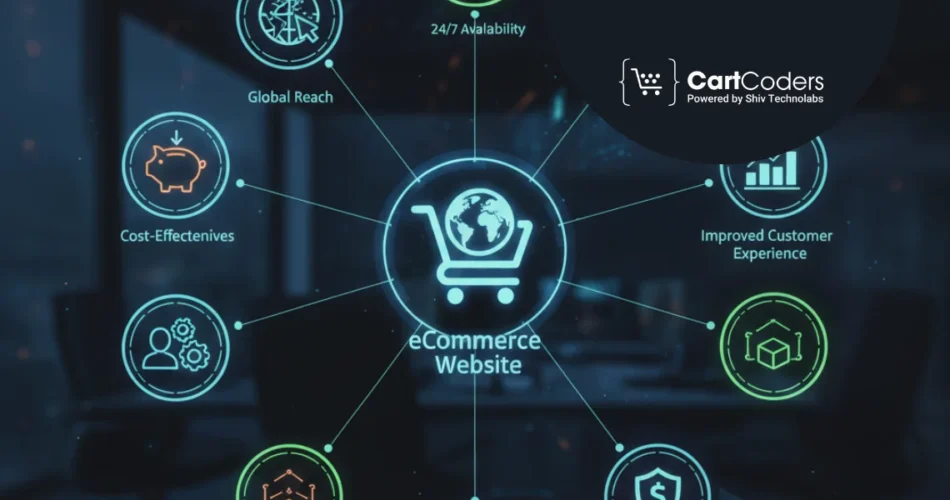
Building an online store has moved from a secondary option to a foundational requirement for any brand. As we move through 2026, the global retail market continues to shift, with online sales projected to reach over $6.88 trillion. This change reflects a fundamental shift in how people find and buy products, moving away from local physical limits toward a borderless digital economy.
The importance of an eCommerce website today is centered on meeting buyers where they spend their time. With over 60% of transactions now happening on mobile devices, a business without a digital storefront misses the majority of its potential audience. In a world where AI assistants and voice search help people shop, a website serves as a vital data hub that keeps a brand visible and accessible at all times.
Modern commerce is no longer just about having a site; it is about providing a reliable, fast, and direct path for customers to get what they need. This post breaks down the key factors driving digital trade this year and why owning your online space is the most effective way to grow.
Global Growth Awaits
Reach millions of shoppers across the globe with a high-performance store.
The Importance of eCommerce Website in 2026 for Global Sales
This figure represents a steady climb, with digital transactions now making up over 21% of all retail spending worldwide. For any business, these numbers prove that a website is no longer just a digital business card—it is a gateway to a multi-trillion dollar economy.
Breaking Physical and Geographical Borders
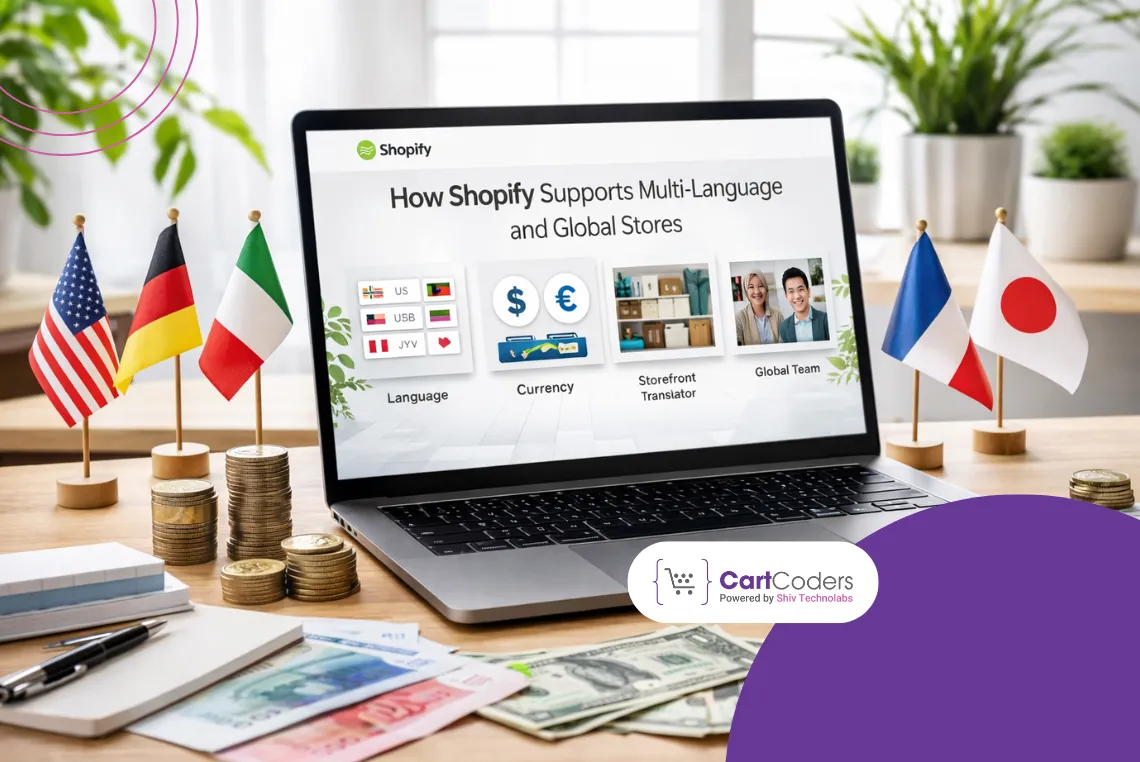
In the past, a business was limited by the people who could walk through its front door. In 2026, those walls have fallen. A well-constructed online store allows a brand in one corner of the world to sell to a buyer in another instantly.
Cross-border trade now accounts for nearly 20% of all online sales, as shoppers actively look for unique products outside their home countries. By owning an eCommerce site, you move from a local player to a global contender.
The Rise of Direct-to-Consumer (DTC) Sales
One of the biggest shifts this year is the move toward Direct-to-Consumer (DTC) models. Brands are increasingly skipping third-party marketplaces and wholesalers to sell directly through their own websites. This shift is vital for three reasons:
First-Party Data: You own the information about what your customers like, allowing for better service.
Higher Margins: By removing the middleman, you keep more of every dollar earned.
Brand Control: You decide exactly how your products are shown and how your story is told.
Mobile and Voice-Driven Trade
The way people access the global market has also changed. More than 60% of all eCommerce sales now happen on mobile devices.
Furthermore, the rise of AI-driven voice search means that if your products are not listed on a functional, crawlable website, they do not exist for millions of people using smart assistants to shop.
Staying relevant in 2026 means having a digital presence that is fast, mobile-responsive, and ready for the next wave of shopping tech.
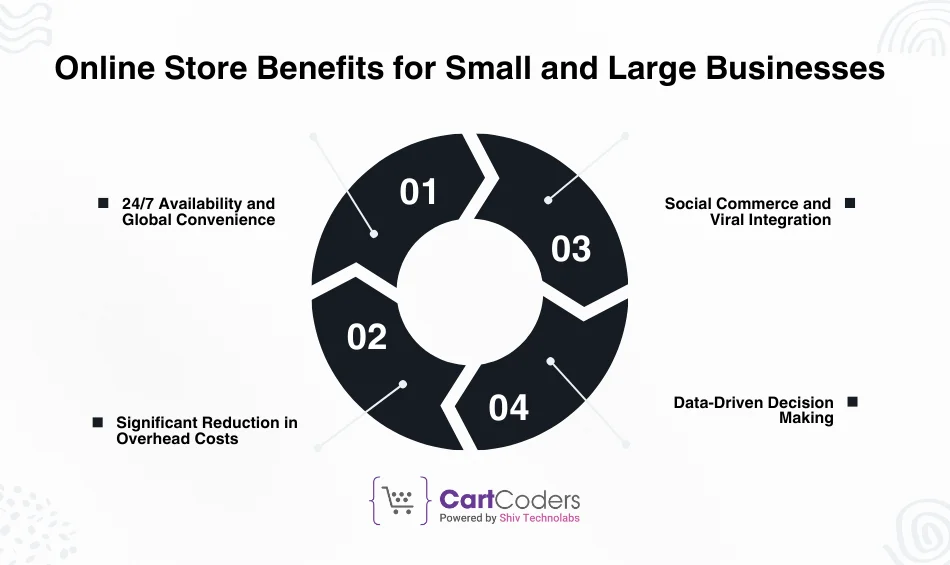
Online Store Benefits for Small and Large Businesses
Operating a digital storefront in 2026 offers distinct advantages that traditional retail cannot match. Whether you are a local startup or a global corporation, an eCommerce site acts as a force multiplier for your sales efforts.
24/7 Availability and Global Convenience
The most immediate benefit of an online store is that it never closes. In 2026, buyers expect the freedom to shop at any time—whether it is 3 AM or during a lunch break.
A physical shop is limited by opening hours and staff availability, but a website processes orders, handles payments, and sends confirmations automatically. This round-the-clock service ensures you never miss a lead, regardless of time zones or holidays.
Significant Reduction in Overhead Costs
Maintaining a physical presence involves high rent, utility bills, and large on-site teams. Moving to or focusing on an eCommerce model helps businesses redirect those funds toward growth.
Inventory Management: Digital systems allow for just-in-time inventory or dropshipping, reducing the need for expensive warehouse space.
Automated Support: AI agents and chatbots now handle common customer questions, reducing the need for massive support teams.
Lower Start-up Risk:Launching a digital store requires a fraction of the capital needed for a physical lease.
Social Commerce and Viral Integration
Modern websites are no longer isolated; they connect directly to where people spend their time. In 2026, social commerce is a trillion-dollar market. A professional eCommerce site allows for:
Shoppable Posts: Linking products directly to videos on platforms like TikTok or Instagram.
Influencer Partnerships: Providing creators with direct links that track sales in real-time.
Frictionless Checkout: Buyers can discover a product on social media and complete the purchase on your site in seconds, reducing the chance of them changing their minds.
Data-Driven Decision Making
Unlike a physical store, where it is hard to track why a customer left without buying, an eCommerce site provides a clear map of the buyer journey.
You can see which products get the most views, where people drop off, and which marketing campaigns actually bring in cash. This level of insight allows businesses to stop guessing and start making choices based on real-time facts.
A Sales Engine That Never Sleeps
Keep your business open every minute of every day to reach users worldwide.
Why Your Business Growth Depends on a Shopify eCommerce Store?
In 2026, the technical foundation of your store is just as important as the products you sell. Choosing a platform like Shopify provides the stability and speed required to handle the high volume of modern digital trade.
Reliability, Speed, and Performance
Online buyers in 2026 have zero patience for slow pages. A delay of even a few seconds can lead to a lost sale. Shopify provides a cloud-based infrastructure that handles massive traffic spikes—such as during holiday sales or viral social media moments—without crashing. Fast loading times directly lead to higher checkout rates and better positions in search results.
Mobile-First Design as a Standard
Since over 60% of buyers now use their phones to shop, your store must be built for a mobile audience first. This means:
Touch-Friendly Navigation: Buttons and menus that are easy to use on small screens.
Swift Checkouts: Integration with digital wallets like Shop Pay, Apple Pay, and Google Pay to finish a purchase in one tap.
Responsive Layouts: A store that looks and functions perfectly across every device size.
Advanced Security and Trust
Cybersecurity is a top priority for shoppers this year. An eCommerce site must protect sensitive buyer data through high-level encryption and secure payment gateways.
Shopify includes built-in security features, such as SSL certificates and fraud detection tools, which help build the trust needed for customers to share their payment details.
Digital Commerce Growth and the Future of B2B Sales
The importance of an eCommerce website is not limited to retail; the Business-to-Business (B2B) sector is seeing a massive digital shift. Global B2B eCommerce is projected to reach $36 trillion by 2026 as wholesale trade moves away from manual spreadsheets and phone calls.
The Wholesale Digital Shift
Modern B2B buyers now expect the same Amazon-like ease of use when ordering for their companies. They want to log in, see their specific contract pricing, and place bulk orders without needing to speak with a sales representative. A dedicated B2B portal on your website allows for:
Custom Price Lists: Showing different prices to different business clients.
Bulk Order Tools: Letting buyers add hundreds of items to their cart via SKU or CSV uploads.
Self-Service Management: Allowing clients to track their own shipments and view past invoices 24/7.
Future of Retail: How Technology Shapes Online Shopping
As we look further into 2026, several emerging technologies are changing how people interact with websites.
Voice Search Readiness: People are increasingly using smart speakers to reorder coffee or find hiking boots. Structuring your website content with conversational language helps these devices find your products.
Personalized Shopping Feeds: Websites now use data to show visitors products they are actually interested in, rather than a generic homepage. This Store of One approach makes every visit feel relevant.
Sustainability Tracking: Modern shoppers care about the planet. Many stores now include data on their carbon footprint or use eco-friendly shipping options, sharing this information directly on the product pages to win over eco-conscious buyers.
CartCoders: Partnering for Your Digital Success
Building a store that meets the demands of the current market requires specialized technical knowledge. CartCoders provides the expert support businesses need to grow in a competitive space. Whether you are an individual brand or a firm looking to support your own clients, we provide the foundation for success.
Professional Shopify Development
We build stores that are not just attractive, but high-performing. Our team focuses on clean code and fast layouts to make sure your site stays ahead of the competition. By prioritizing performance, we help you turn visitors into loyal buyers.
Secure Platform Migration
If you are currently using an outdated system, we handle the move to Shopify with precision. We transfer your products, customer accounts, and order history while making sure your search engine rankings stay protected. This allows for a smooth transition without losing your hard-earned traffic.
White Label Shopify Agency Services
Many design and marketing firms face high demand for digital stores but lack the in-house technical team to build them. Our white label Shopify agency model allows your firm to offer expert development under your own brand. We act as your silent technical partner, handling the complex coding and app integrations so you can focus on managing your client relationships.
Custom Solutions and Support
Every business has unique needs. Whether you need a custom app to handle complex shipping or a unique B2B portal for wholesale clients, we provide the tools to make it happen. Our team stays with you, providing the support needed to keep your store updated and secure as technology changes.
Conclusion
The importance of an eCommerce website in 2026 cannot be overstated. It is the central hub for your sales, your brand story, and your customer data. In a world where trillions of dollars are moving through digital channels, having a professional, fast, and secure online store is the most effective way to protect your business and reach new heights.
Frequently Asked Questions
1. Why is an eCommerce website more important than social media selling?
While social platforms are great for discovery, a dedicated eCommerce website gives you total ownership of your customer data and brand experience. In 2026, social algorithms change frequently, which can hide your products. A website serves as your permanent digital home where you control the checkout process, keep 100% of your margins, and build a direct mailing list without third-party interference.
2. How does an online store help a business grow globally?
An online store removes the physical boundaries of a traditional shop. With global eCommerce sales expected to top $6.88 trillion this year, a website allows you to accept international payments and arrange worldwide shipping instantly. This turns a local business into a global brand, reaching millions of potential buyers who would otherwise never see your products.
3. What features make an eCommerce site successful in 2026?
The most successful sites prioritize mobile-first design, lightning-fast loading speeds, and secure one-click payments. Shoppers now expect a frictionless experience. Additionally, integrating AI-driven product suggestions and providing clear sustainability tracking for your items are key ways to win over modern, eco-conscious consumers.
4. Is a website necessary for B2B wholesale companies?
Yes. The B2B market has seen a massive shift toward digital portals. Modern business buyers want to place bulk orders, view custom contract pricing, and track shipments through a website rather than through phone calls or emails. A B2B eCommerce site automates these tasks, saving hundreds of hours in manual labor and reducing order errors.
5. Can a small business compete with giant marketplaces?
Absolutely. While marketplaces like Amazon offer volume, a private eCommerce site offers trust and niche expertise. Small businesses win by providing deep product knowledge, personalized customer service, and unique branding that big marketplaces cannot match. By owning your site, you build a community of loyal fans who buy from you because they value your specific brand story.
As the CTO at Shiv Technolabs & CartCoders, I am liable for instigating, planning, integrating, and implementing the organization's strategic orientation.
I gather the most significant tech news in addition to sharing the information I gained while serving as the CTO of Shiv Technolabs, a renowned web and mobile app development company. I am pleased to answer questions as a most valuable expert for Shiv Technolabs Private Limited and to share my experience. I offer a keen insider's perspective on technical advancements.
 eCommerce
Solution
eCommerce
Solution







 INDIA
INDIA


 USA
USA
 CANADA
 AUSTRALIA